Bearings are one of the essential components in the industrial world, functioning to reduce friction between two moving parts. Almost all industrial machinery uses bearings to help maintain stable rotation, reduce wear, and improve machine efficiency. From electric motors, conveyors, pumps, and gearboxes to heavy equipment, all require bearings with different specifications according to operational needs.
Among the various types of bearings available, ball bearings and roller bearings are the two most commonly used types. Both have similar functions, but their designs, load capacities, and applications are very different. Therefore, understanding the differences between roller bearings and ball bearings is important to ensure proper bearing usage and optimize machine lifespan.
What Is a Ball Bearing?
A ball bearing is a type of bearing that uses steel balls as its rolling elements. These balls are positioned between the inner ring and outer ring to help reduce friction when the shaft rotates. This type of bearing is known for its simple design, smooth rotation, and ability to operate at high speeds.
Because it has a small point of contact, ball bearings are highly suitable for applications with light to medium loads. In addition, this type of bearing has low friction levels, making it widely used in machines that require high rotational efficiency and minimal vibration.
In the industrial sector, ball bearings are commonly used in electric motors, industrial fans, pumps, and various high-speed production machines.
What Is a Roller Bearing?

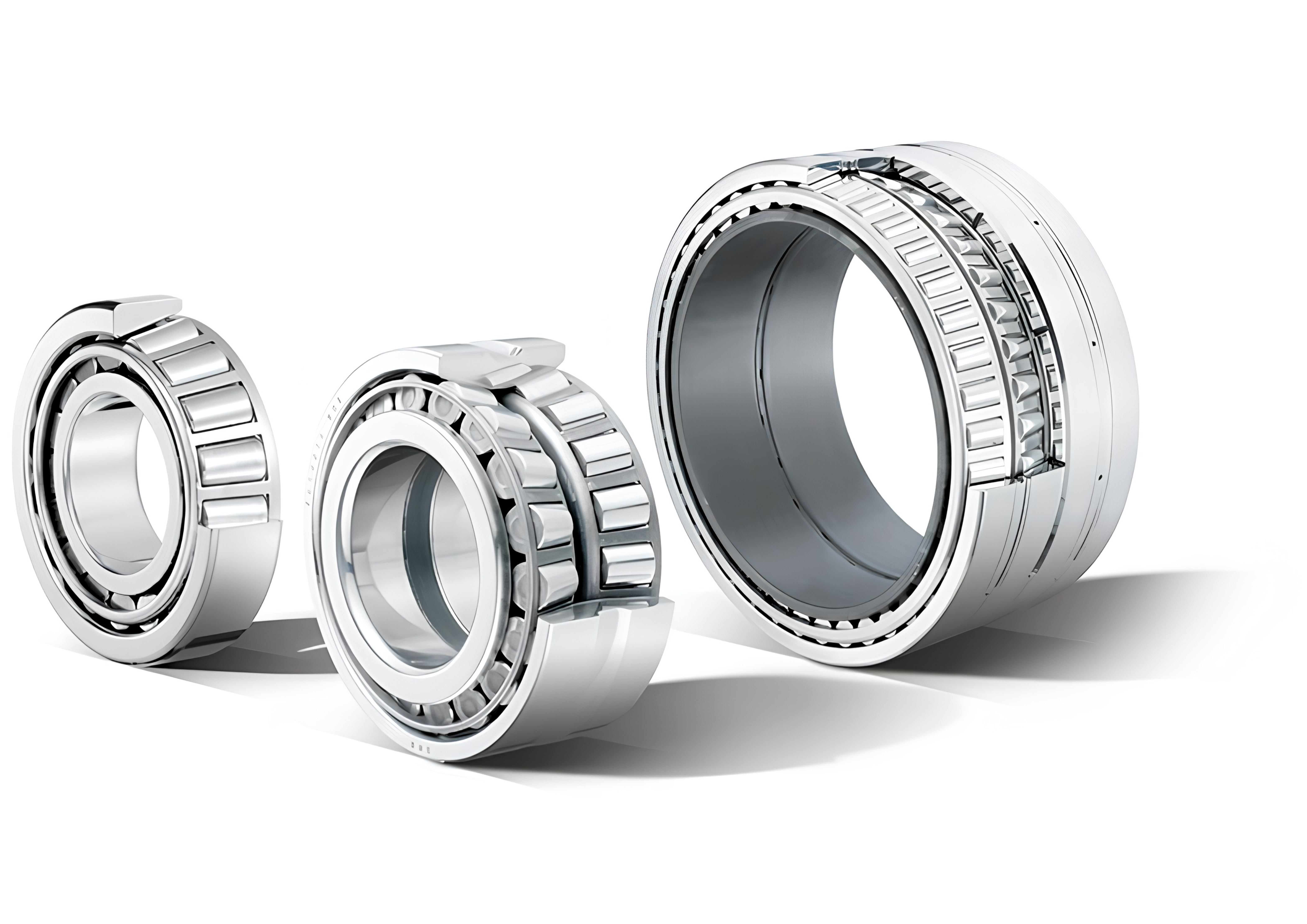
Unlike ball bearings, roller bearings use cylindrical rollers as their rolling elements. This design creates a larger contact area between the bearing and the raceway compared to ball bearings. As a result, roller bearings have a much higher radial load capacity.
Roller bearings are typically used in heavy-duty applications operating under high pressure and demanding conditions. These bearings are commonly found in industrial conveyors, gearboxes, crushers, heavy equipment, and mining machinery.
Description | Ball Bearing | Roller Bearing |
Rolling Element | Steel balls | Roller / silinder |
Load Capacity | Light – medium | Medium - Heavy |
Rotational Speed | High | Lower |
Contact Area | Small point contact | Wider surface contact |
Applications | Motors, pumps, fans | Conveyors, gearboxes, heavy equipment |
1. Deep Groove Ball Bearing
Deep groove ball bearings are the most commonly used type in industry. These bearings can support both radial and axial loads while operating at high speeds. Due to their simple and flexible design, they are widely used in electric motors, pumps, and general industrial machinery.
2. Self-Aligning Ball Bearing
Self-aligning ball bearings are designed to accommodate shaft misalignment. This type of bearing can adjust its rotational position, helping reduce vibration and extend machine life.
3. Angular Contact Ball Bearing
Angular contact ball bearings are used in applications that receive combined radial and axial loads simultaneously. These bearings are commonly used in precision machinery, industrial pumps, and gearboxes requiring high stability.
4. Thrust Ball Bearing
Thrust ball bearings are specifically designed to handle axial loads. These bearings are typically used in vertical applications or systems subjected to high thrust pressure.
Types of Roller Bearings
In addition to ball bearings, roller bearings also come in several types commonly used in heavy industries.
1. Cylindrical Roller Bearing
Cylindrical roller bearings use cylindrical rollers capable of handling large radial loads with high rigidity. This type is suitable for heavy-load and high-speed applications.
2. Spherical Roller Bearing
Spherical roller bearings are designed to withstand heavy loads while compensating for misalignment. These bearings are widely used in mining conveyors, vibrating screens, and other heavy-duty machinery.
3. Tapered Roller Bearing
Tapered roller bearings can support both radial and axial loads simultaneously. These bearings are commonly used in gearboxes, wheel hubs, and industrial transmission systems.
4. Needle Roller Bearing
Needle roller bearings use thin needle-like rollers, making them suitable for applications with limited space while still requiring high load capacity.
Bearing Applications in Various Industries
Ball bearings and roller bearings are used across various industrial sectors because they help maintain optimal machine performance.
Ball Bearings Are Commonly Used In:
• Electric motors
• Pumps
• Fans
• High-speed machinery
Roller Bearings Are More Commonly Used In:
• Conveyors
• Gearboxes
• Crushers
• Heavy equipment
• Mining industries
Choosing the right type of bearing is very important because it can affect machine efficiency, maintenance costs, and the overall service life of components.
Ball bearings and roller bearings share the same primary function as friction reducers and shaft rotation supports, but they have different characteristics and applications. Ball bearings are more ideal for high-speed applications with light to medium loads, while roller bearings are designed for heavy-duty applications with high load capacities.
By understanding the differences between roller bearings and ball bearings along with their various types, companies can select the most suitable bearing for their operational needs. Choosing the right bearing not only improves machine performance but also reduces downtime and extends the lifespan of industrial equipment.
If you need industrial bearing solutions for various applications, SLS Bearings is ready to provide products and technical support tailored to your operational requirements.

 id
id


 Contact Us