In semiconductor manufacturing, every wafer in a fab depends on precise linear motion, from loading and coating to lithography, inspection, and final test.
Thus, linear bearings are key components that help semiconductor equipment move in a straight line, providing low friction, smooth motion, and high precision.
In this guide, we explore how linear bearings support semiconductor manufacturing, ensuring precise and efficient linear motion systems across operations.
What are Linear Bearings?
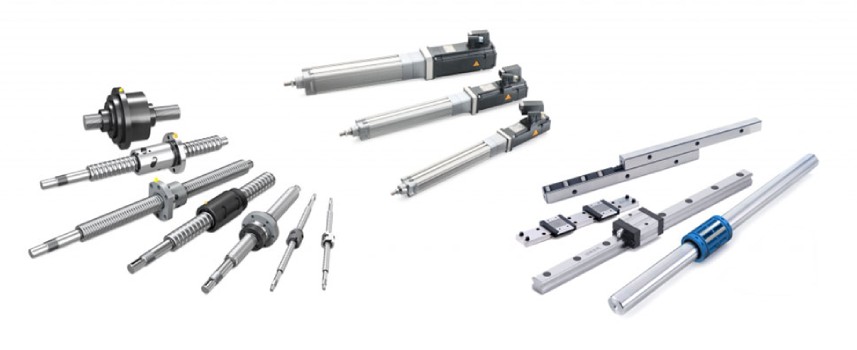
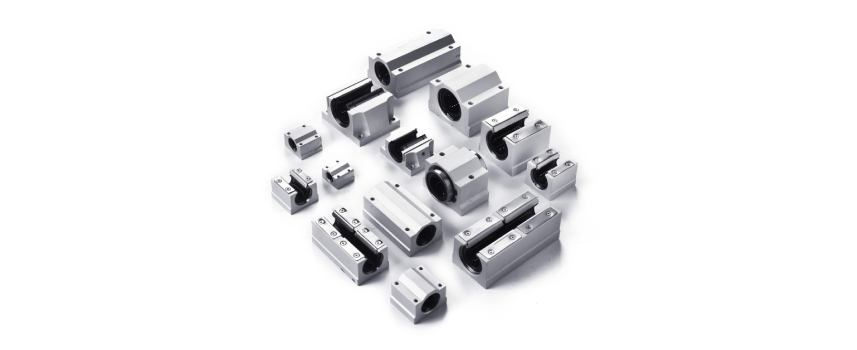
Linear bearings are essential components that support motion in one direction along linear rails, shafts, or guides while resisting loads in other directions. Different types of linear bearings are used across industries to meet different needs, such as semiconductor manufacturing.
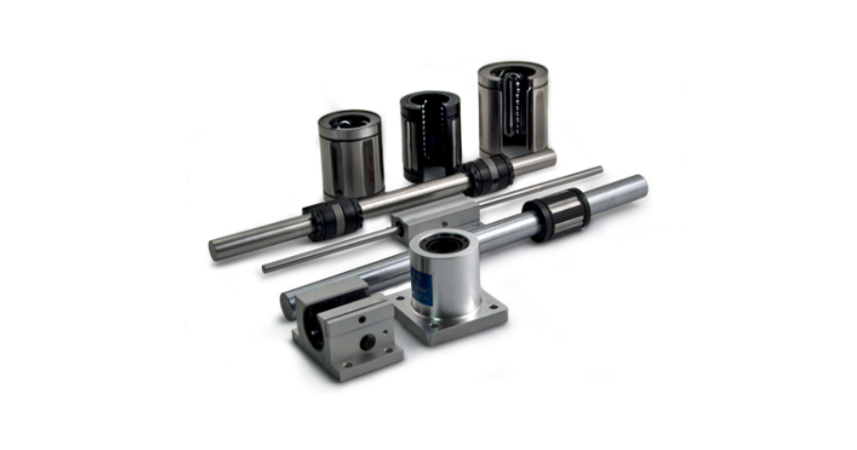
Linear bearings are one of the core components of linear motion systems, working with other common components such as:
- Linear rails or shafts define the travel length and straight-line path.
- A carriage, linear bushing, or bearing block carries the moving weight.
- Rolling elements such as balls, roller elements, or cylindrical rollers reduce friction.
- Seals help keep out dirt, slurry, and particles.
- Linear bushings, plain bearings, and ball bearings suit different loads, speeds, and precision needs.
How Do Linear Bearings Work?
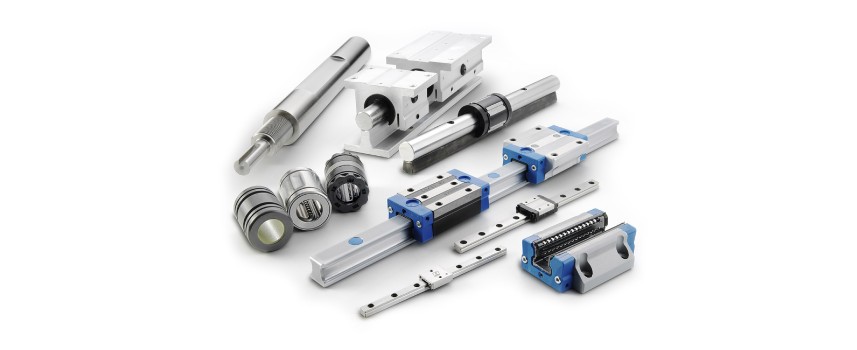
Linear bearings function by guiding carriages along linear guides and shafts to facilitate precise, low-friction motion. Their ability to enable smooth movement under heavy loads and high speeds across various applications makes them suitable for equipment that requires high precision.
Key performance factors include:- Load capacity: How much weight and force the bearing can safely carry.
- Stiffness: How well the system resists deflection under loads.
- Preload: A controlled internal force that reduces play and improves accuracy.
- Lubrication: Compatible grease or oil helps ensure smooth operation.
- Protection: Seals protecting linear bearings from contaminants and extending lifespan.
In the semiconductor industry, linear bearings are critical in semiconductor equipment to ensure precise motion during the manufacturing process, as precision is a necessity to ensure high-quality, functional semiconductor products.
Linear Bearing Applications in Semiconductor Manufacturing
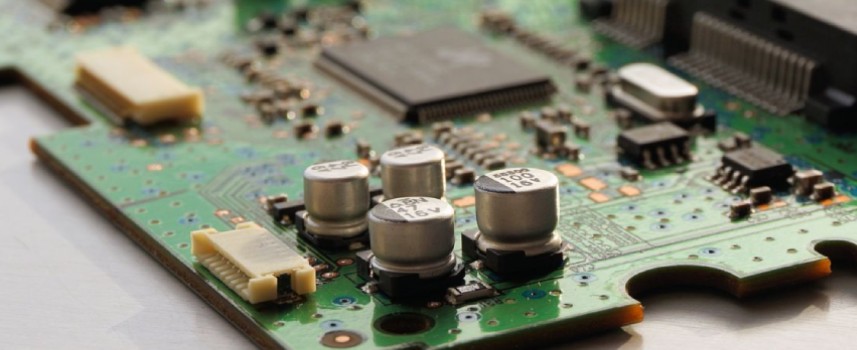
Linear bearings support precise motion in semiconductor manufacturing equipment from incoming wafer handling to final electrical test.
Common semiconductor applications include:- Wafer loaders and FOUP handlers: Linear bearings move horizontal axes and z axes so wafers travel gently and are positioned accurately.
- Lithography scanners and steppers: High-precision stages use linear bearings, crossed roller designs, or air bearings for nanometre-level precise motion of wafers and reticles.
- CMP and etch tools: Linear bearings ensure precise movement in etching chambers and uniform application on the wafer surface.
- Metrology and inspection systems: CD-SEM, optical inspection, and probing stations need low vibration and high accuracy to protect yield.
- Back-end packaging and test handlers: Linear bushings and profiled guides index trays, probe cards, and components at high speeds.
Beyond fabs, common applications of linear bearings are in the automation and robotics industry, such as CNC machines and material handling systems, that require efficient motion and precise cutting. Medical devices utilise linear bearings for precise instrument movement as well.
What to Consider When Selecting Linear Bearings
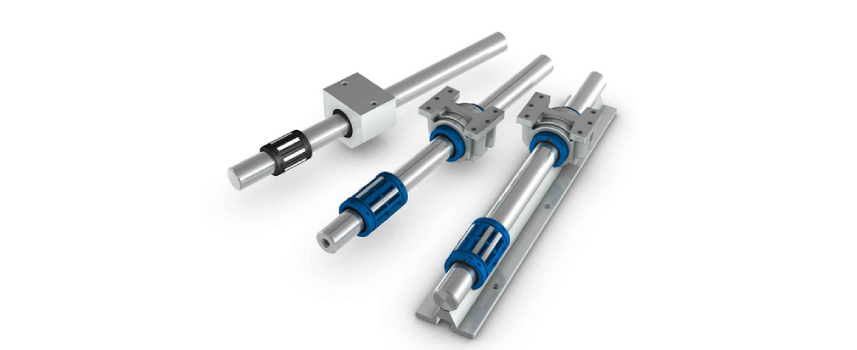
Selecting optimal bearings involves analysing operating conditions such as load capacity and precision. Choosing the wrong bearing can instead create vibration, contamination, wear, lower accuracy, and increased downtime.
Factors for consideration:- Load requirements: Includes static weight, dynamic loads, larger loads, heavy loads, and moment loads.
- Stroke length: Short stages may suit crossed roller guides, while longer systems often use recirculating ball or profiled linear guides.
- Accuracy and precision: Lithography and inspection need the tightest tolerances.
- Speed and acceleration: High speeds increase heat, friction, and dynamic force.
- Environment: Vacuum, cleanroom class, chemicals such as HF or HCl, moisture, and dirt all affect material choice.
- Space: Carriage size, rail length, mounting surfaces, and access for maintenance matter.
For many semiconductor axes, engineers balance high load capacity with quiet running and low particle generation. Linear bearings can provide great load capacity and stiffness, offering the best solution for speed, accuracy, environment, and service life targets.
For materials and coatings, corrosion-resistant finishes, such as stainless steel, coated carbon steel, and ceramics, help protect components in chemical modules. SLS can assist with technical expertise, supplier data, life calculations, and model shortlisting for new equipment, upgrades, and various industrial applications.
To find the
right linear bearings for your applications, our experts at SLS Bearings can assist.
Maintaining Linear Bearings
Preventive maintenance is vital in semiconductor manufacturing because unexpected fab downtime is costly, and small motion errors can affect yield before a tool fails. While linear bearings help to reduce overall maintenance requirements, they still need inspection, lubrication, and replacement planning for optimal performance.
Tips for maintenance include:- Inspecting linear rails, carriage surfaces, and bushings for scoring, corrosion, or play.
- Listening for rattling, grinding, or changes in smooth motion.
- Monitoring drive current, repeatability, and positioning accuracy.
- Checking lubrication type, amount, and interval.
- Replacing damaged seals and wipers before contaminants enter the bearing.
- Aligning maintenance schedules with 24/7 production, R&D use, and vendor guidance.
Signs of wear include increased motor current, particle alarms near motion stages, increased noise, and gradual loss of accurate motion. When these symptoms appear, inspect balls, roller paths, raceways, seals, and lubricant condition. Planning before catastrophic failure helps extend service life, decreases the risk of bearing failures, and reduces downtime. For more information, browse our guide on
linear bearings maintenance tips to avoid unplanned downtime.
Conclusion
Linear bearings support reliable motion across semiconductor manufacturing, from wafer transfer to lithography, inspection, and final testing. Correct selection, installation, and maintenance of linear guides, linear bushings, and related bearing systems directly influence facility output and productivity of your operations.
Here at SLS Bearings, we support semiconductor and other industrial applications across the region with bearing and motion systems expertise. To find the appropriate linear motion solution to your industry processes, explore our
roller bearing and
linear bearing product listings.
If you need help selecting linear motion systems for a cleanroom, automation line, or precision tool,
contact us at SLS Bearings.

 sg
sg


 Hubungi Kami