A
hydraulic pump plays a critical role in delivering the power needed for lifting, pushing, rotating, and operating machinery across industries. From construction and marine engineering to manufacturing and logistics, a well-maintained hydraulic system ensures consistent performance and long equipment lifespan. However, even the most durable pumps can fail prematurely when contaminants enter the system, cooling is inadequate, or pressure levels are not properly controlled.
One of the most common causes of hydraulic pump failure is contaminated hydraulic fluid. When dirt, water, or metal particles circulate within the system, they increase friction, accelerate wear, and reduce volumetric efficiency. This leads to pressure loss, overheating, and eventual pump breakdown. Regular fluid replacement, proper filtration, and storing fluids in clean, sealed containers are essential practices for keeping contamination under control.
Understanding the root causes of pump failure and how to prevent them, helps equipment owners minimise downtime and repair costs. Here are five of the most frequent hydraulic pump issues and the preventative steps you can take to ensure smooth, reliable performance.
Overheating and Poor Cooling
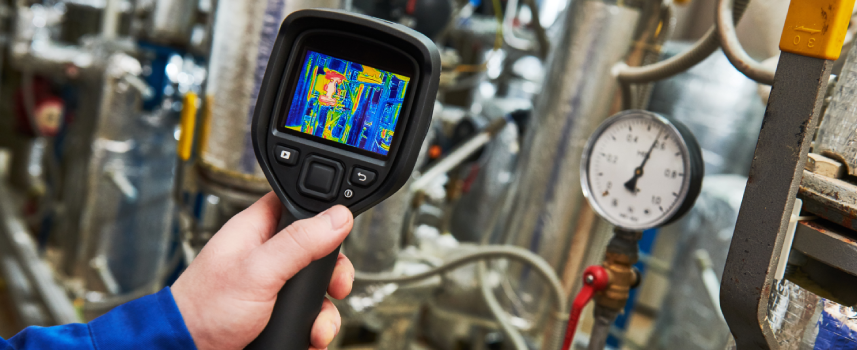
Excessive heat is one of the fastest ways to degrade a hydraulic pump. When temperatures rise above safe operating limits, hydraulic oil begins to break down, becoming thinner and less effective at lubrication. This reduces pump efficiency and increases wear on internal parts such as pistons, vanes, and seals.
Common Causes
- Blocked or inefficient cooling systems
- Inadequate ventilation around machinery
- Excessive load or continuous high-pressure operation
- Wrong oil viscosity for the application
How to Prevent Overheating
To minimise the risk of overheating:
- Check that cooling systems are functioning properly and free of blockages.
- Ensure the hydraulic pump has adequate ventilation, especially in enclosed environments.
- Monitor operating temperatures as part of routine maintenance.
- Use the recommended hydraulic oil viscosity to maintain stable operating temperatures.
Ensuring proper cooling not only protects pump components but also maintains consistent hydraulic performance across operations.
Air Leaks and Cavitation
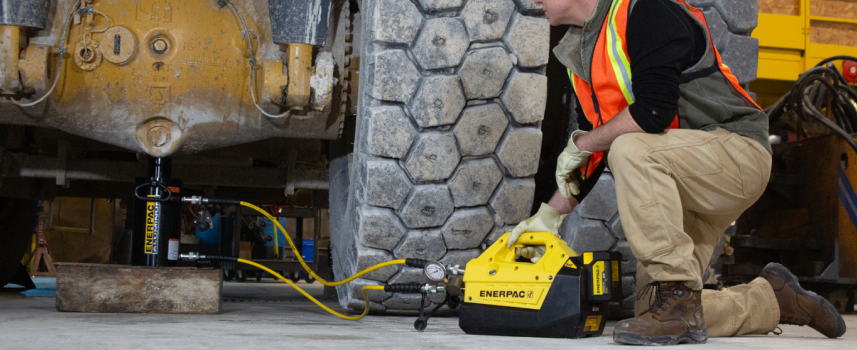
Air leaks introduce oxygen and moisture into the hydraulic system, which can lead to cavitation - a destructive condition where vapour bubbles collapse inside the pump. These implosions damage internal surfaces, cause vibration, and reduce operational efficiency.
Common Causes
- Loose fittings on suction lines
- Cracked hoses or worn O-rings
- Improperly sealed reservoirs
- Using incompatible oil or incorrect fill levels
How to Prevent Air Leaks and Cavitation
- Inspect suction lines regularly for cracks, wear, or improper fittings.
- Ensure all connections are tightly sealed and replace any worn components immediately.
- Maintain proper oil levels to prevent air entrainment.
- Use high-quality hydraulic fluids recommended by the pump manufacturer.
Air leaks and cavitation can significantly shorten the lifespan of a hydraulic pump, making regular inspection and early detection crucial.
Improper System Pressure or Overloading
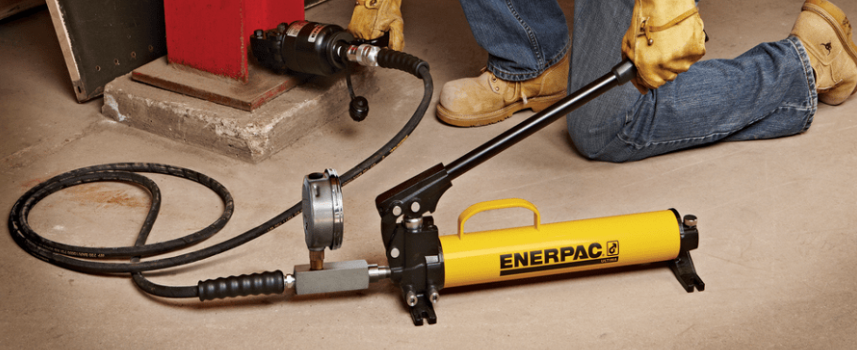
A
hydraulic pump is engineered to operate within specific pressure and load limits. Running it beyond these limits forces the system to work harder than intended, increasing heat, stress, and the likelihood of component damage.
Common Causes
- Incorrect pressure relief valve settings
- Using equipment not matched to the pump’s rated capacity
- Blocked lines causing unexpected pressure buildup
- Operators applying excessive load
How to Prevent Overloading
- Install and calibrate pressure relief valves to protect against unexpected pressure spikes.
- Match the hydraulic pump to the correct application and equipment load.
- Conduct regular pressure checks to detect abnormalities early.
- Ensure operators are trained to recognise safe operating limits.
Maintaining proper pressure not only prevents pump failure but also protects the entire hydraulic system from damage.
Worn Seals and Mechanical Damage
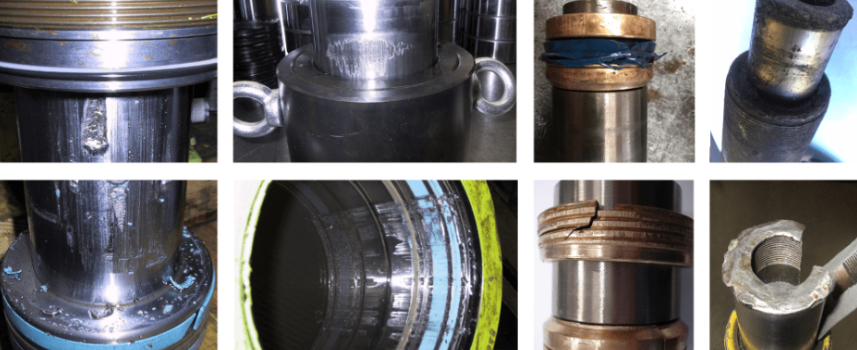
Seals play a vital role in maintaining internal pressure and preventing fluid leakage. Over time, seals naturally wear out, but accelerated wear is often caused by contamination, excessive heat, or improper installation.
Common Causes
- Age and repeated use
- Exposure to contaminated hydraulic fluid
- Misalignment or improper installation
- Using non-OEM or incompatible seals
How to Prevent Seal Wear
- Replace seals periodically as part of routine preventive maintenance.
- Exposure to contaminated hydraulic fluid
- Misalignment or improper installation
- Using non-OEM or incompatible seals
By maintaining healthy seals, you help ensure the hydraulic pump and the entire system remain efficient and leak-free.
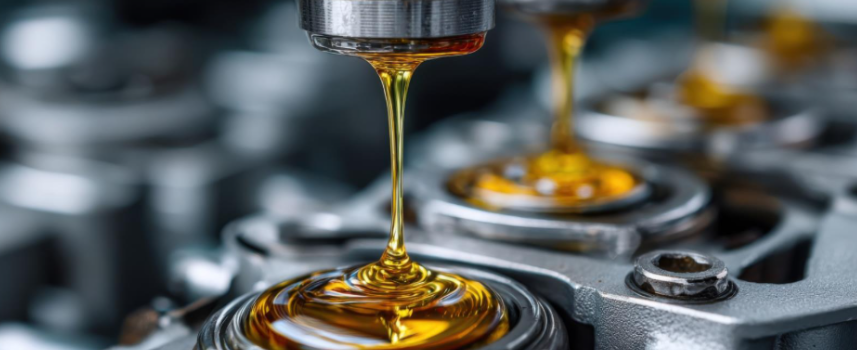
Contaminated Hydraulic Fluid (The Leading Cause of Pump Failure)
Common Sources of Contamination
- Dirty containers or funnels used during oil top-ups
- Water entering through worn seals or condensation
- Metal particles created by wear in the system
- Poor-quality or degraded hydraulic fluid
How to Prevent Contamination
- Replace hydraulic fluid at recommended intervals.
- Use proper filtration systems and check filter condition regularly.
- Store fluids in clean, sealed containers to keep contaminants out.
- Flush the system when switching to a different oil type or after major repairs.
Contamination control is the foundation of long hydraulic pump life, making it one of the most important maintenance practices for any operation.
Conclusion
A hydraulic pump is a long-term investment, and keeping it in excellent condition requires consistent maintenance and early detection of issues. By addressing problems such as overheating, air leaks, pressure imbalance, seal wear, and contamination, you can extend the lifespan of your equipment and minimise downtime. With proper care, the right components, and reliable technical support, your hydraulic pump can deliver safe, efficient, and long-lasting performance.
Here at SLS Bearings, we offer a comprehensive range of
hydraulic solutions, from high-performance hydraulic pumps and seals to filtration systems, diagnostics, and maintenance support. Get in touch with us today to keep your systems running smoothly and efficiently.
SLSPRO experts offer expert advice,
specialised services, and premium hydraulic handling support for industrial clients.
Contact SLS for expert guidance on matching the right hydraulic pump for your usage.

 sg
sg


 联系我们
联系我们