Industrial robots, cobots, and automated cells are essential in a range of industrial processes, such as manufacturing, logistics, electronics, automotive, aerospace, packaging, and food production. As more factories adopt robotic automation, keeping these systems clean has become just as important as keeping them lubricated and aligned.
Robotic arms, bearings, linear modules, grippers, sensors, and servo motors all depend on clean mechanical and electrical interfaces to move accurately, repeatedly, and safely. This makes degreasing necessary as it removes grease, corrosion inhibitors, silicone residues, and other contaminants before this layer of build-up can cause faults.
This article will cover industrial degreasers and their uses in robotic automation.
Why Effective Cleaning Matters in Robotic Automation
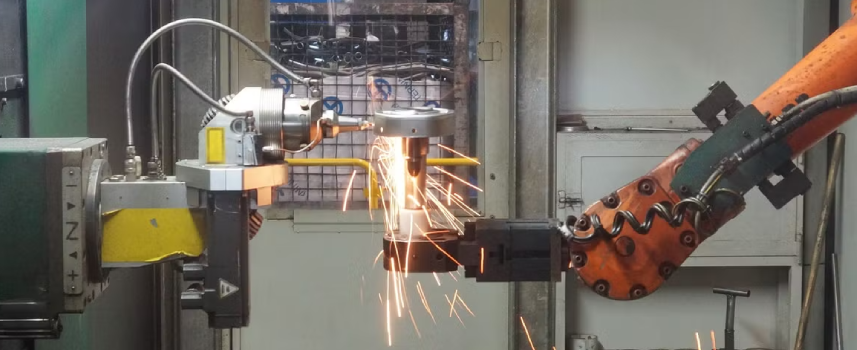
A degreaser removes grease, oils, and other contaminants from working components.
Automated production creates plenty of sources of dirt and grime, such as lubricant mist, coolant spray, weld spatter, packaging dust, and fine metal particles. When these substances form a layer on a surface, they can work their way into bearings, linear guides, ball screws, gearboxes, and grippers, where they negatively affect performance and accelerate wear.
Other examples include:
- Lubricants: Small quantities of contamination can break down the lubricant film and reduce its effectiveness at protecting moving parts.
- Sensors: Encoders, proximity sensors, and vision systems decrease in accuracy when covered in oil haze or dust. Dirty safety sensors can also trigger unexpected stops that interrupt production.
- Actuators and Grippers: Grippers with sticky jaws respond more slowly and apply less force than they should.
Clean components help boost machine efficiency while saving costs on premature replacements. Motor housings can dissipate heat more effectively, seals last longer, and guides and bearings suffer less abrasive damage over time. For these reasons, effective cleaning with degreasing agents is a core part of robotic system maintenance.
An industrial degreaser helps break down grease and oil using a combination of solvents and surfactants, lifting the contamination from the surface so it can be wiped, rinsed, or sprayed away. Some degreasers also rely on a process that converts fat into a soap-like substance that dissolves easily in water, making it simple to remove afterwards.
Common Robotic Automation Applications That Require Degreasers
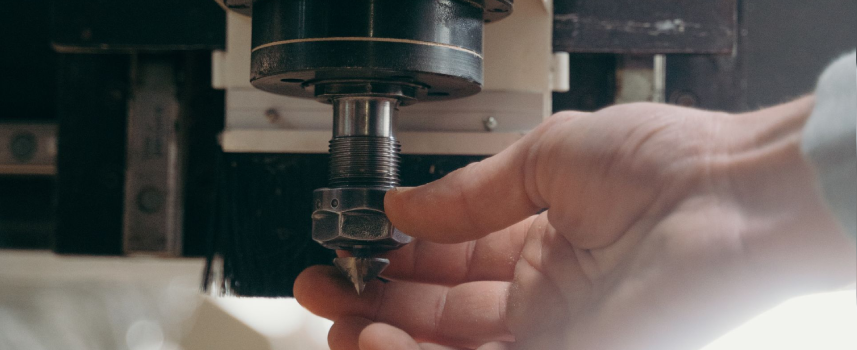
Degreasers are commonly used in industries like automotive and aerospace. Different applications produce different types of contaminants, so the cleaning method should be suited to the environment.
- CNC machines: Robots are regularly exposed to cutting fluids and rust-forming contaminants. Grippers, guards, and slides are common areas that need attention.
- Robotic welding cells: Welding cells are exposed to weld spatter and oil residue, which accumulate on arms, rails, and fixtures.
- Packaging and palletising lines: Tend to generate dust and adhesive residue that affect chains, guides, and conveyors.
- Electronics assembly: Oil haze and fine particles tend to affect vision systems and connectors.
- Cobots and material handling equipment: Working in shared spaces with people causes contamination from grease and dirt on housings, scanners, and joints.
Across all applications, it is key to identify where contamination collects, understand what it is made of, and choose a degreaser suited to both the soil and the materials involved.
Choosing the Right Degreaser to Remove Grease in Robotic Automation
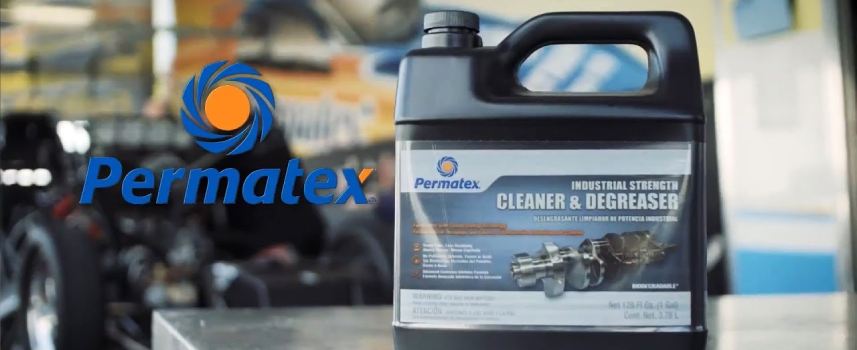
While a combination of commercial products and natural options is most effective for degreasing, the right choice of degreaser depends on the type of soiling, the materials involved in the facility, and the cleaning method being used. Maintenance teams should check the degreaser's compatibility with metals, plastics, rubber seals, housings, and any silicone protective covers to ensure the chosen degreaser is suitable.
Some factors for choosing your degreaser:
- Quick drying or evaporation: How fast a degreaser dries near sensors and electrical contacts helps reduce the risk of moisture-related faults.
- Type of formulation: Residue-free formulas can help avoid film formation that could affect performance. Foaming degreasers absorb grease and stop oil spread, helping the product stay in place long enough to break down grease. Water-based formulas are safer for food contact surfaces.
- Application methods: A spray with a nozzle works well for small, targeted areas, while immersion or soak cleaning is often the most effective option for components removed for servicing, allowing the product to penetrate and dissolve stubborn deposits without manual effort.
- Eco-friendly degreaser: For facilities with environmental concerns, more economical and eco-friendly formulations are available that still perform well, though it is still important to test compatibility on automation materials.
For plant use, review
SLS Bearings' industrial degreaser options and other cleaning products before adding any new product to your maintenance routine.
For a broader overview of degreaser selection, application methods, and safety tips across all types of industrial machinery, read our guide on
industrial degreasers and how to keep machinery clean and performing efficiently.
Best Practices for Degreasers in Preventive Maintenance
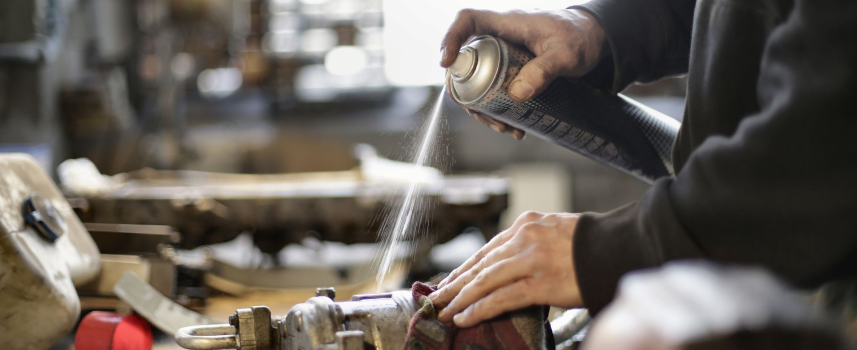
The first step to proper maintenance is identifying where oil, grease, dirt, and grime tend to collect, and then choosing an effective cleaning method and degreaser product that removes contamination without damaging components.
Degreasers remove grease, oil, and films before they speed up wear or cause overheating. Thus, degreasing should always be performed before relubrication to remove the old grease and contamination first, before adding fresh
lubricant to a clean surface for the best results.
Degreasers are usually water-based or solvent-based, and alkaline with pH levels from 9.6 to 12.8. Higher pH products clean faster but are more aggressive and typically need more effort to rinse, dry, and check to avoid leaving residue or affecting sensitive materials.
If you require assistance in choosing the right degreaser for your processes,
SLS Bearings is ready to help.
Tips for Degreasers in Maintaining Clean and Reliable Robotic Systems
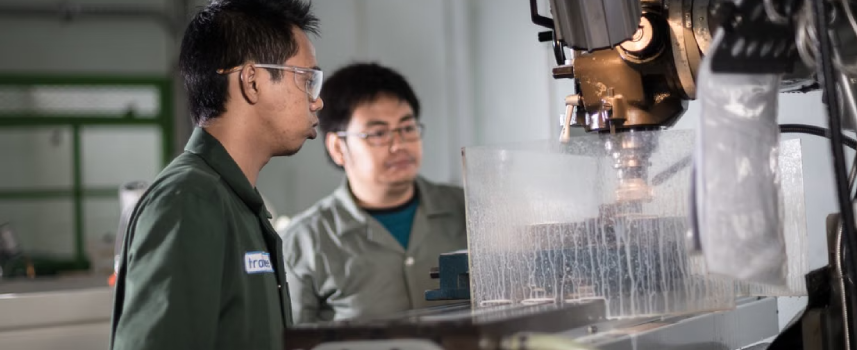
A practical maintenance plan for
robotic automation include daily visual checks, weekly wipe-downs of exposed surfaces, monthly degreasing of components prone to tough soils, and quarterly deep cleaning.
Tips for Maintenance:
- Inspect robots daily for oil leaks, build-up, or unusual residue
- Clean exposed housings, grippers, and sensors every week using all-purpose cleaning where appropriate
- Identify areas that require light or deep cleaning, and use the best-suited degreasers for them
- Schedule deep cleaning during planned downtime, when components can be more thoroughly accessed without affecting production
- Maintain the correct dilution, contact time, safe handling, and removal procedures
- Make a record of what product was applied, where, and whether it was effective
- Proper ventilation is essential when working with these chemicals to avoid dizziness or other exposure risks
Conclusion
Degreasers in robotic automation help in protecting precision components, maintaining accuracy, saving time, and improving long-term reliability. By removing tough soils, oil, and debris on a routine basis, facilities reduce unplanned downtime and improve return on automation investment.
SLS Bearings provides maintenance and
specialised solutions designed to support industrial automation, robotics, and manufacturing equipment.
Contact SLS for assistance with selecting cleaners, degreasers, and other chemical maintenance products for your robotic systems.

 sg
sg

.webp)

 联系我们
联系我们