Food and beverage processing facilities depend on conveyor belt systems to keep production moving by transporting raw materials and ingredients from one location to another, across different stages of production, all the way through to packaging and dispatch.
However, the very conditions that define food processing environments make conveyor belt maintenance uniquely challenging. Moisture, temperature extremes, aggressive cleaning chemicals, and strict hygiene regulations all place demands on conveyor systems that go far beyond what standard industrial installations face. At the heart of every reliable belt
conveyor system are the bearings that keep it running, and in food and beverage processing, getting bearing selection and maintenance right is not just an operational concern; it is a food safety one.
Why Food and Beverage Conveyor Systems Face Unique Challenges
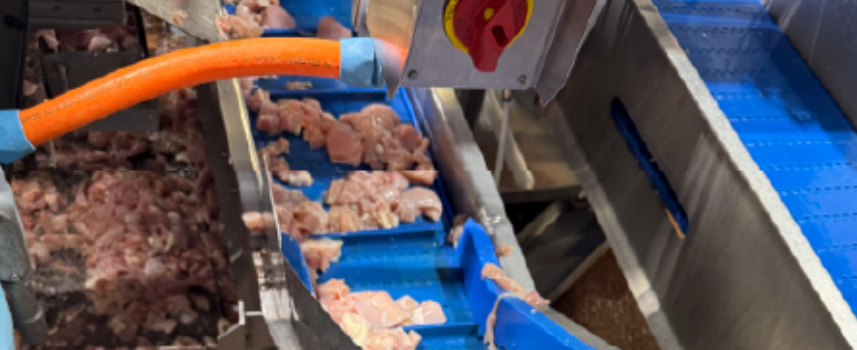
Unlike warehouses or manufacturing plants, food and beverage facilities operate under conditions that are actively hostile to standard conveyor belt components. High-pressure washdowns are a daily reality, designed to meet sanitation requirements but equally effective at forcing water and cleaning chemicals into bearing housings. Temperature swings are common — a facility might run freezer conveyors for chilled products alongside cooking or pasteurisation equipment operating at sustained high heat, sometimes within the same production line.
Different types of conveyor belts are used across food processing operations depending on the application — from flat belt conveyors for packaging and assembly lines, to
modular plastic belts and cleated belts designed to transport materials on steep inclines or prevent slippage when handling wet or powdery products. Each belt type places different demands on the bearings, rollers, pulleys, and motors that drive the system. Choosing the right combination of conveyor belt material and bearing specification is essential to maintaining consistent flow and overall efficiency throughout production.
Regulatory requirements add another layer of complexity. Food processing facilities must comply with hygiene standards that restrict the types of lubricants, materials, and components that can be used anywhere near food contact surfaces. A bearing failure that causes a lubricant leak onto a production line does not just mean downtime — it can mean a product recall, regulatory action, and serious reputational damage. This makes bearing selection in food and beverage environments a decision with consequences well beyond the maintenance department.
Choosing the right conveyor belt bearings from the outset is one of the most cost-effective steps a facility can take to protect both its equipment and its products, reduce manual intervention, and boost productivity across operations.
Bearing Types for Food & Beverage Conveyor Belt Applications
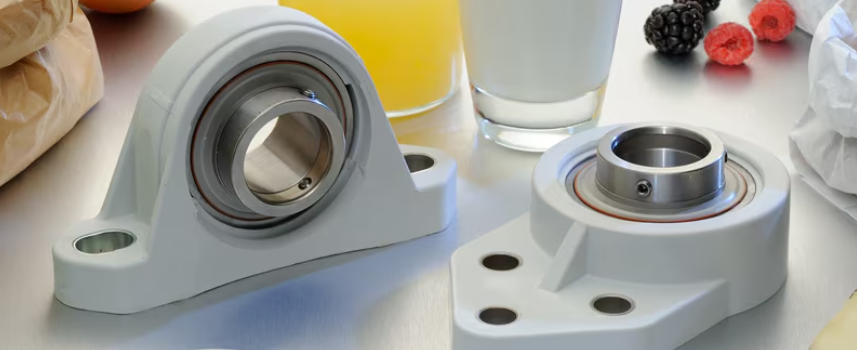
The types of
bearings used in food and beverage conveyor systems reflect the unique demands of the environment.
Stainless steel bearings are widely specified for their resistance to rust and corrosion — essential in facilities where conveyor belts are regularly exposed to water, food acids, and cleaning agents. Standard steel bearings that perform reliably in dry industrial environments can deteriorate rapidly when exposed to the repeated wet conditions of a food processing facility. For applications involving powder materials or wet produce, bearing durability is directly tied to the sealing and material quality of the components specified.
Sealed bearings are equally important in food processing conveyor belt applications. Bearings that require regular relubrication present both a maintenance burden and a contamination risk in these environments. Sealed, maintenance-free bearings eliminate the need for ongoing lubrication while keeping moisture and contaminants out — reducing manual labor and the risk of human error during maintenance. Where lubrication is necessary, food-grade lubricants that meet relevant safety certifications must be used — standard industrial greases are not acceptable where incidental food contact is possible.
Plastic or polymer bearings are also gaining traction in food processing applications, particularly in wet zones where corrosion resistance and the ability to withstand frequent washdowns are priorities. These materials offer a practical alternative to steel where the chemical environment would cause premature wear.
Food-grade
bearing units, which combine the bearing, housing, and sealing into a single ready-to-install component, are increasingly popular in facilities that want to simplify installation, reduce maintenance touchpoints, and ensure every component meets food safety requirements. PVC and other food-safe materials are also used in conveyor belt construction itself, particularly for flat surface applications where hygiene and ease of cleaning are the primary considerations.
How Conveyor Belt Systems Work Across Food & Beverage Applications
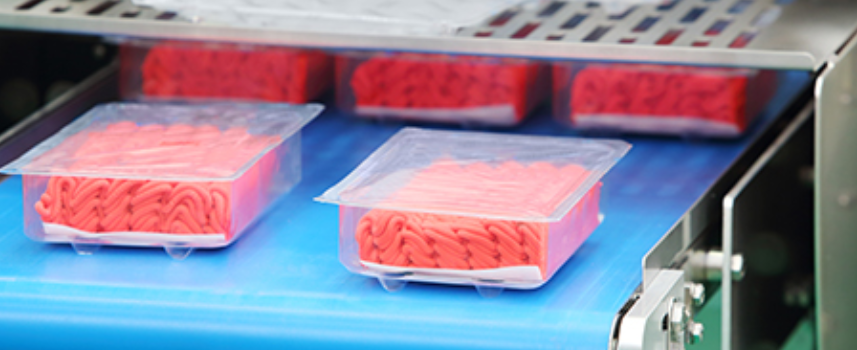
The range of conveyor belt applications in food and beverage processing is broad, spanning various industries from dairy and beverage production to meat processing, confectionery, and fresh produce. Each application presents its own bearing challenges. Bottling and canning lines run at high operational speeds with consistent loads, requiring conveyor belt bearings that maintain precision and low noise over long operating periods. Any inconsistency in bearing performance at these speeds can affect fill accuracy, labelling, and capping. This makes reliability important for production quality.
Packaging conveyor systems and assembly lines handle products of varying weights and sizes, demanding reliable performance across fluctuating load conditions. Belt conveying systems used in freezer environments operate at temperatures that cause standard lubricants to thicken and lose effectiveness, making low-temperature rated bearings or sealed maintenance-free units essential for uninterrupted operation. Heat resistant bearings and lubricants are equally important at the other end of the temperature spectrum, where cooking and pasteurisation conveyors expose components to sustained heat that accelerates lubricant breakdown and increases the risk of seal failure.
Sorting and inspection lines, which often run continuously during production hours, require bearings with low friction and consistent rotational accuracy to maintain the operational speed and positioning that automated sorting systems depend on. Facilities involved in bulk material handling — such as conveying bulk materials like grains, sugar, or salt — place additional demands on idler rollers, the idler pulley, and the drive pulley, all of which rely on properly specified bearings and conveyor components like
conveyor chains and sprockets to maintain load capacity and prevent slippage. In all of these applications, an unexpected conveyor belt bearing failure does not just stop one machine; it can bring an entire production line to a halt, affecting personnel safety, efficiency, and output across the facility.
Common Causes of Conveyor Belt Bearing Failure and How to Prevent Them
Water damage is the leading cause of bearing failure in food and beverage conveyor systems. When moisture enters a bearing housing, whether from wash-downs, condensation in freezer environments, or steam from cooking processes, it displaces lubrication and accelerates corrosion and wear. Prevention requires bearings with effective sealing rated for the specific moisture exposure of the application, combined with correct installation to ensure seal integrity from the outset.
Chemical exposure is a related but distinct risk. The cleaning agents used in food processing facilities are often highly alkaline or acidic, and contact with bearing materials or lubricants not designed to withstand them can cause rapid deterioration. Using specific stainless steel bearings and food-grade lubricants compatible with the cleaning regime used in your facility is the most reliable preventive measure.
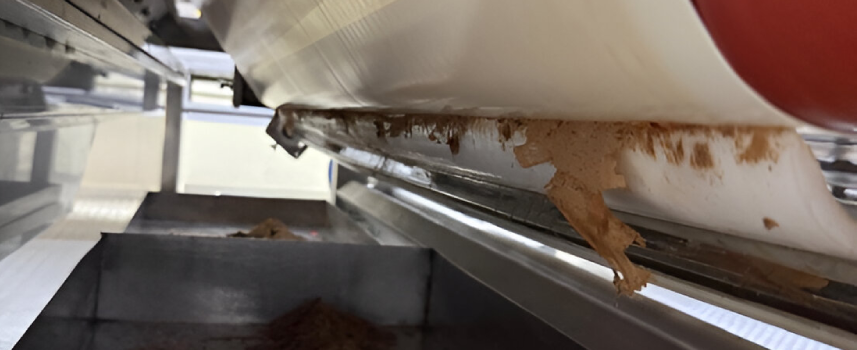
Belt cleanliness also plays a direct role in bearing longevity. Material carryback, which is where product residue sticks to the return side of the conveyor belt, builds up around pulleys and rollers, placing additional load on bearings and introducing contamination into the system. Quality conveyor belt suppliers like Flexco offer food-grade belt cleaning solutions designed specifically for these environments. SLS Bearings has worked with Flexco to implement their FGP Food Grade Belt Cleaner in food processing facilities, with demonstrated results in reducing carryback and extending conveyor cleaning intervals. You can read more about this in our
Flexco FGP case study.
Selecting the Right Bearings for Your Conveyor Belt Systems
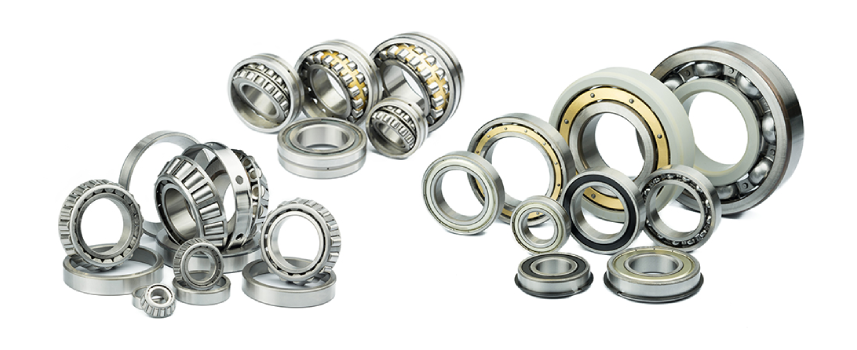
Selecting bearings for food and beverage conveyor belt applications starts with understanding the specific conditions of each conveyor in your facility. Wet zones demand stainless steel sealed bearings with food-grade lubrication. Freezer applications require low-temperature rated components. High-speed lines need bearings specified for the rotational demands of the application, not just the load.
Beyond individual component selection, working with a supplier who understands the regulatory requirements and operational realities of food and beverage processing makes a significant difference. The right bearing specified at the outset costs far less than an unplanned replacement and far less than the consequences of a failure in a live production environment.
Conclusion
Here at SLS Bearings, we support food and beverage processors with bearing solutions matched to the full range of conveyor belt applications. Visit our
Food & Beverage industry page to learn more about how we support processing facilities, or explore
our conveyor belt solutions to find the right components for your operation.
Get in touch with our SLSPRO team for expert guidance on bearing selection, installation, and maintenance for your food and beverage conveyor systems.

 sg
sg



 Contact Us