Precision automation has changed how factories make products, helping companies create high-quality items with incredible accuracy. At the heart of these automated systems is a simple but vital part: the linear guide. These devices help machinery move smoothly in a straight line, which is essential for maintaining accuracy.
Linear guide systems have become essential across many industries. From machines that cut metal to robotic arms that assemble products, linear guides keep automated equipment working reliably day after day.
This article looks at five important ways linear guides work in precision automation and how they help keep manufacturing accurate.
1. What is a Linear Guide?
Linear guides are mechanical systems that guide moving parts in a straight line with exceptional accuracy. They consist of a fixed rail and a moving carriage that slides along it, using small ball guides or rollers to reduce friction. This design is crucial for automated systems that need precise, repeatable positioning.
In automated systems, linear guides enable precision motion by constraining movement to a single, perfectly straight path. Unlike older sliding systems that can wobble or drift, linear guides maintain their accuracy even after millions of cycles. The ball bearings or roller bearings inside create nearly frictionless movement without any slipping that ruins precision.
The consistency of linear guides makes modern automation possible. Robots repeat the same motion thousands of times daily, and cutting machines hold tolerances measured in thousandths of a millimetre. This reliability has transformed manufacturing by making precision affordable and accessible.
2. High Precision: What Makes Linear Guides Accurate?
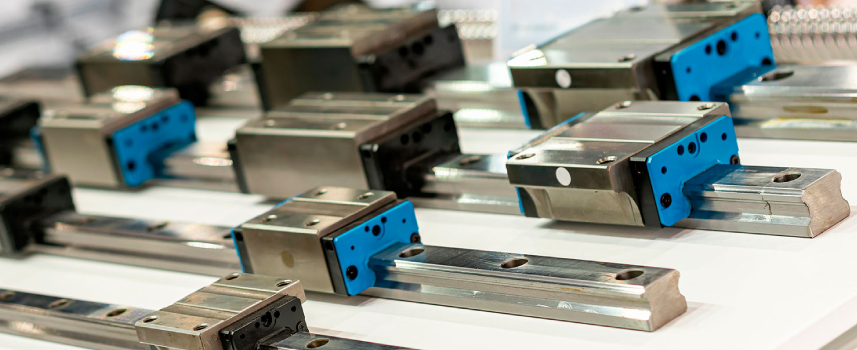
Several critical factors determine how well a linear guide performs. Understanding these helps you choose the right guide and ensure your equipment maintains accuracy.
- Load Capacity refers to how much weight the guide can support while maintaining accuracy. Every guide has ratings for vertical loads (weight pressing down) and horizontal loads (forces from the side). Exceeding these limits causes premature wear and loss of accuracy. Ball-type guides work well for lighter loads, while roller-type guides handle heavier weights without deflecting.
- Accuracy Class indicates how precisely a linear guide can position the carriage. Standard-grade linear guides offer accuracy within a few hundredths of a millimetre, fine for most applications. High-precision grades offer tighter tolerances, sometimes within a few thousandths of a millimetre, essential for measuring equipment and ultra-precise machining.
- Rigidity measures how much the guide resists bending under load. Higher rigidity means the guide stays straight even when forces push against it, crucial in applications like metal cutting where cutting forces try to push the tool off course.
- Speed Ratings tell you how fast the carriage can move safely. Ball-type linear guides typically handle higher speeds because balls create less resistance than rollers. Matching the speed rating to your application prevents overheating and premature wear.
3. Linear Guide System Applications
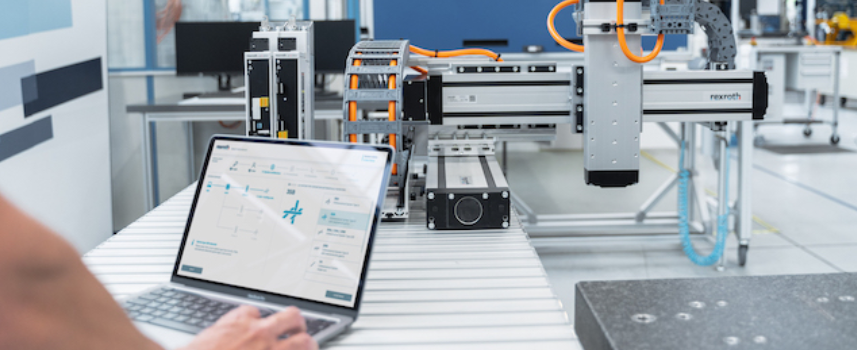
Linear guides power precision motion across diverse automated systems, each with unique accuracy requirements. Some of the applications of linear guides include:
- CNC Machining Centres use linear guides to position cutting tools with extreme accuracy. These computer-controlled machines cut and shape metal parts, often holding tolerances within thousandths of a millimetre. The guides support the machine axes through all three directions of movement, maintaining accuracy even under heavy cutting forces that would push less rigid systems off course.
- 3D Printers rely on linear guides for layer-by-layer precision. The print head must return to exactly the same position for each layer, or the printed object will have defects. Linear guides enable the smooth, accurate movement needed to create detailed objects, from prototypes to functional parts.
- Laser Cutting Systems need linear guides to move the laser head precisely across materials like metal, plastic, or wood. The laser must follow the cutting path exactly, and any deviation results in poor edge quality or dimensional errors. High-speed linear guides allow fast cutting while maintaining the accuracy needed for clean, precise cuts.
- Inspection Equipment uses linear guides to position measuring devices and cameras with exceptional accuracy. When checking if parts meet specifications, the measuring equipment itself must be more accurate than the tolerances being checked. Linear guides provide the stable, repeatable motion that quality control systems depend on.
- Automated Assembly Lines integrate linear guides throughout their operations to move components between stations, position tools accurately, and transfer products smoothly. Whether assembling electronics, automotive parts, or consumer goods, linear guides ensure consistent positioning across thousands of repetitive cycles daily.
4. Linear Guide System Maintenance Best Practices

Proper maintenance keeps linear guides performing accurately throughout their service life. Three key practices ensure your guides deliver consistent precision.
1. Lubrication of linear guides
This is the most critical maintenance task for linear guides. Proper lubrication reduces friction between the balls or rollers and the rail, preventing wear that degrades accuracy over time. Most linear guides need relubrication at regular intervals based on operating hours or distance travelled.
Many modern systems include automatic lubrication that delivers grease or oil precisely when needed, reducing maintenance requirements. Under-lubrication causes increased friction and heat, while over-lubrication can attract contaminants.
2. Contamination Prevention
This protects the precision surfaces inside linear guides from damage. Dust, metal chips, coolant, and other debris can scratch the rail or damage the ball bearings and roller bearings, creating rough spots that affect smooth motion. Sealed linear guides include wipers and covers that prevent contaminants from entering.
In harsh environments like machine shops or outdoor applications, upgraded sealing systems provide extra protection. Regular cleaning of the rail exterior and surrounding area reduces the risk of contamination finding its way inside.
3. Alignment Checks
These ensure the linear guide maintains its accuracy over time. Even small misalignments between the rail and mounting surface can cause uneven wear and reduced accuracy. During installation, proper alignment is critical—the rail must be mounted flat and straight without twisting. Periodic checks verify that vibration or settling hasn't shifted the alignment.
Some applications use precision measuring equipment to check alignment, while others simply monitor for unusual noise or rough movement that indicates developing problems. Catching alignment issues early prevents accelerated wear that would require replacing the entire guide system.
5. How to Select the Right Linear Guide
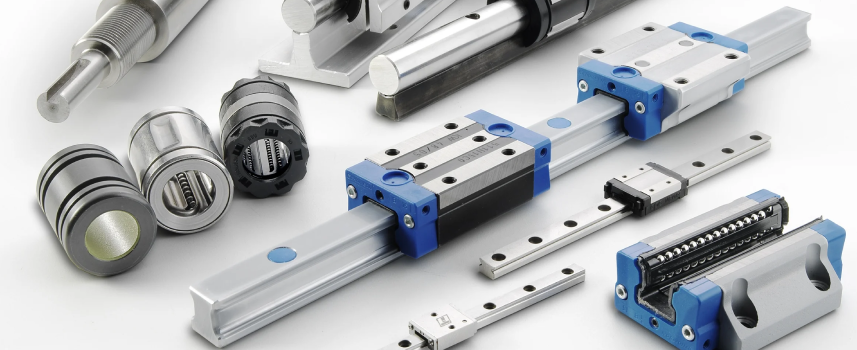
Choosing the right linear guide ensures your automation system performs reliably and maintains accuracy over time. Consider these key factors when selecting linear guides for your applications.
Evaluate Your Load Requirements
Calculate both the weight pressing down on the guide (static load) and any forces during movement (dynamic load). Include safety factors to account for shock loads or unexpected forces. Ball-type linear guides work well for lighter applications up to moderate loads, while roller-type guides handle heavier loads without deflecting. Undersizing the load capacity leads to premature wear and accuracy loss.
Determine Required Accuracy
Standard-grade linear guides suit most automation needs, offering good accuracy at reasonable cost. High-precision grades cost more but deliver the exceptional accuracy needed for measuring equipment, precision machining, or applications where tolerances are measured in thousandths of a millimetre. Match the guide accuracy to your actual requirements—overspending on unnecessary precision wastes money.
Consider Operating Conditions
This includes environmental factors like temperature, contamination, and chemicals. Standard linear guides work fine in clean, temperature-controlled environments. Harsh conditions require specialised solutions like sealed guides for dusty environments, stainless steel guides for corrosive chemicals or washdown areas, or guides with special lubricants for extreme temperatures. The operating environment significantly affects guide lifespan.
Match Speed and Travel Requirements
High-speed applications need ball-type guides that can handle rapid movement without overheating. Longer travel distances may require multiple guide blocks on a single rail to distribute loads. Consider whether you need the carriage to move fast between positions or maintain accuracy during slower, controlled movements.
For expert guidance on selecting linear guides that match your specific automation needs, SLS Bearings offers comprehensive linear motion solutions backed by decades of experience. We partner with leading manufacturers like Ewellix (a Schaeffler brand) to provide high-quality products designed for demanding automation applications. Our technical team helps you navigate the options to find guides that deliver the performance, accuracy, and reliability your application demands.
Conclusion
Linear guides are a critical investment in precision automation, and maintaining their accuracy requires proper selection, installation, and ongoing maintenance. By understanding the different types of linear guide systems and their applications, such as CNC machining to robotics and material handling, you can optimise equipment performance and minimise costly downtime. With the right linear guide solutions and expert technical support, your manufacturing systems can deliver precise, efficient, and long-lasting performance.
Here at SLS Bearings, we offer a comprehensive range of
linear motion solutions, from high-performance linear guides and rails to specialised mounting components, lubrication systems, and technical support. Get in touch with us today to keep your precision automation systems running smoothly and accurately.
Our SLSPRO experts offer expert advice,
specialised services, and premium linear motion support for industrial and manufacturing clients.
Contact SLS today for expert guidance on selecting the right linear guide systems for your applications.

 sg
sg




 Contact Us