In industrial machinery, engines, and equipment maintenance, ensuring a tight seal between components is essential for preventing leaks and maintaining performance. This is where a gasket sealer comes in.
Gasket sealer, also known as gasket sealant, is a type of chemical compound or adhesive designed to enhance the sealing ability of a gasket, which is the material placed between two surfaces to prevent fluid or gas leakage, including gases. It can be used on a variety of materials, including aluminium, and fills in microscopic gaps, reinforces gasket integrity, and helps resist vibration, pressure, and temperature fluctuations.
When properly applied, gasket sealer plays a vital role in maintaining reliability in critical systems such as hydraulic tools, pumps, compressors, and engines. Using the right sealer also helps extend the lifespan of both gaskets and equipment. Gasket sealers can be used in a wide range of applications and can be applied to different materials, demonstrating their versatility and adaptability.
Types of Gasket Sealers and Their Applications
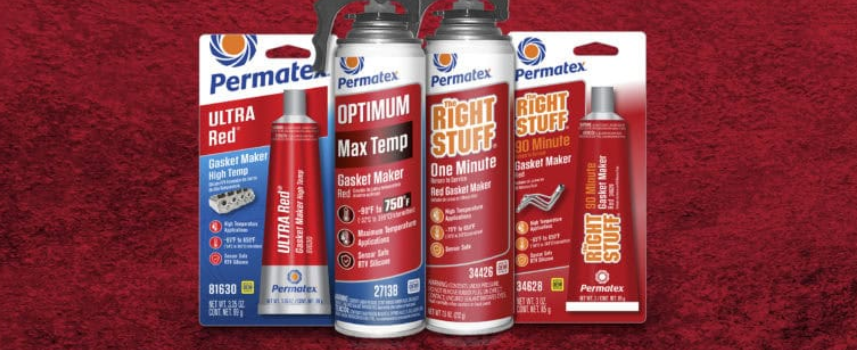
Different types of machinery and operating conditions require different types of gasket sealer. The formula of the sealer determines its suitability for different applications. Choosing the right one depends on your material compatibility, operating temperature, and disassembly needs.
- RTV Silicone Sealer
RTV (Room Temperature Vulcanising) silicone sealer is among the most versatile and commonly used types. This type of sealant activates at room temperature to form a flexible, rubber-like seal. Ideal for automotive and industrial applications, RTV silicone sealer are resistant to heat, oil, and chemical exposure — perfect for sealing engine parts or hydraulic covers. They can be used as a replacement for traditional gaskets in high-temperature applications.
- Anaerobic Sealer
Anaerobic gasket sealer cures in the absence of air, making them ideal for metal-to-metal joints. They are used in gearboxes, pumps, and flanges where precision alignment and vibration resistance are critical.
- Non-Hardening Compounds
This type of sealer remain pliable and is used where components are frequently disassembled for servicing or inspection. They are used to provide a temporary replacement for gaskets during frequent disassembly. They provide reliable sealing without sticking or tearing the gasket material.
- Hard-Setting Sealers
For permanent installations, such as heavy-duty industrial assemblies that are not intended for regular maintenance, hard-setting sealers are used to create a durable, vibration-resistant bond that can withstand high pressure and are resistant to vibration and heat.
Selecting the right type of gasket sealer helps prevent leaks and ensures long-term sealing performance, especially in industrial, marine, and manufacturing environments.
When (and When Not) to Use a Gasket Sealer
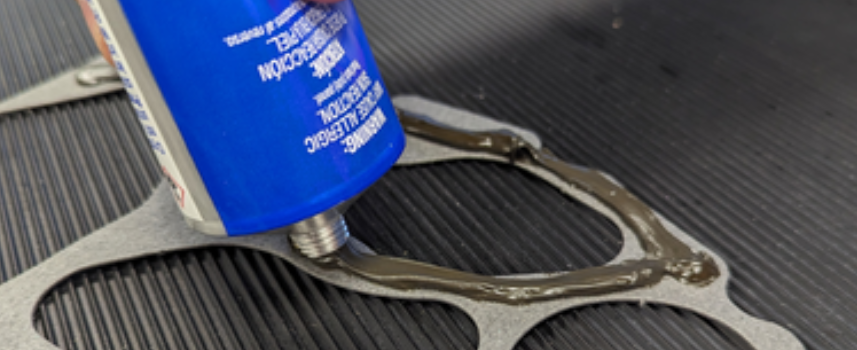
While gasket sealers improve performance in many situations, they are not suitable for every application. Understanding when to use them (and when not to) helps prevent maintenance issues.
When to Use a Gasket Sealer:
- When sealing uneven or pitted surfaces that require gap-filling.
- When additional adhesion is needed to keep the gasket in place during assembly.
- When equipment operates under high vibration, temperature, or pressure.
- For systems using oil, coolant, or hydraulic fluids, where chemical resistance is essential.
- The decision to use a gasket sealer should depend on the specific requirements of the application.
When to Use a Gasket Sealer:
- On pre-coated, rubber, or silicone gaskets where sealant may cause slippage or improper compression.
- In assemblies designed for dry gaskets, such as certain precision flanges or torque-critical joints.
Knowing the right approach ensures reliability while using the correct amount of sealer — excessive amount is a common mistake that can cause gasket failure or system contamination.
Application Tips for Long-Lasting Seals
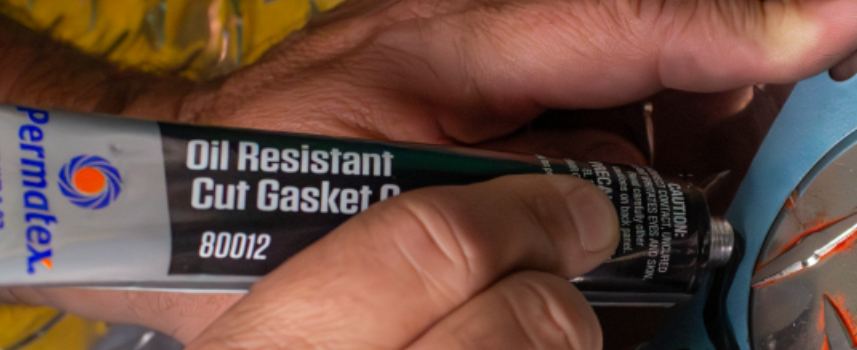
Proper application is key to achieving an effective seal. Here’s how to apply gasket sealers for the best results:
1. Clean and Prepare the Surface
Remove old gasket residue or debris using a degreaser or industrial cleaner. Be sure to remove any old grease, as leftover grease can affect the proper adhesion of the sealer. A clean surface ensures proper adhesion and curing. Browse our range of
Cleaners & Degreasers for effective surface preparation.
2. Apply an Even Layer
Use a thin, consistent coat on both surfaces or directly on the gasket, depending on the product instructions. The correct amount of sealer should be used, using too much can cause it to squeeze out and contaminate internal parts.
3. Assemble While Wet (if required)
Some gasket sealers, such as anaerobic types, should be assembled before the sealer cures. Others, like RTV silicones, may need partial curing before installation.
4. Observe Recommended Curing Time
Allow the sealer to fully cure before starting up the machinery. This ensures maximum adhesion and leak resistance.
5. Inspect During Maintenance
During routine maintenance, check for degradation or hardening, especially in high-temperature areas.
Proper sealing not only prevents leaks but also ensures smooth operations and reduces the risk of equipment failure.
Choosing the Right Gasket Sealer for Your Engines and Equipment
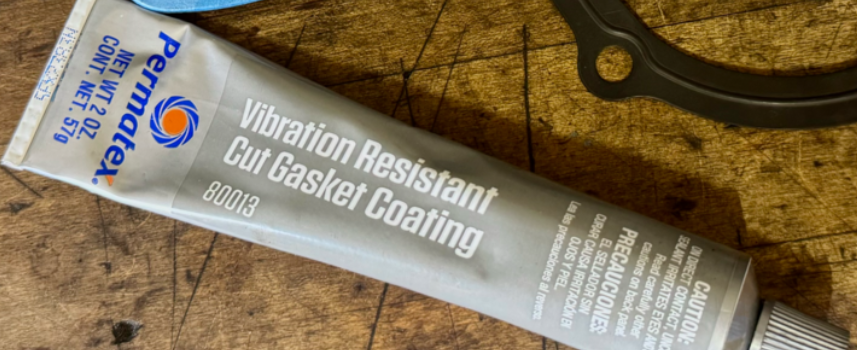
The best gasket sealant depends on your industry, applications, maintenance practices, and the specific equipment and accessories in use.
- High-temperature or chemical-exposed environments: Use RTV silicone sealers.
- Metal-to-metal sealing: Choose anaerobic gasket sealers.
- Frequent disassembly: Go for non-hardening compounds.
- Permanent installations: Opt for hard-setting sealers.
SLS offers a range of
industrial adhesives, sealants, and specialty repair compounds that cater to various industrial needs from manufacturing and power generation to heavy equipment maintenance.
Conclusion
Using the correct gasket sealer is an essential part of ensuring mechanical reliability and safety in industrial systems. Whether you’re sealing a hydraulic system, a gearbox, or an engine component, the right product applied correctly can prevent leaks, reduce downtime, and extend equipment lifespan. Contact us at SLS today to speak to our experts and find the perfect
gasketing solution for your needs.
SLSPRO experts deliver
specialised services in gasketing products across different industries.
Contact SLS for solutions that enhance precision, maintain sterility, boost production speed, and ensure GMP compliance.

 sg
sg



 Contact Us