In the mining industry, the right hydraulic jack can improve safety, reduce downtime, and support more efficient repair work.
Mining maintenance often involves raising, positioning, pushing, or holding extremely heavy loads in harsh working environments, making hydraulic jacks essential through the use of hydraulic fluid and hydraulic pressure to create powerful, controlled lifting force.
In this article, we explore what hydraulic jacks are, how they work, where they are used in mining, how to select them, and how to maintain them.
What Are Hydraulic Jacks and Their Common Types?
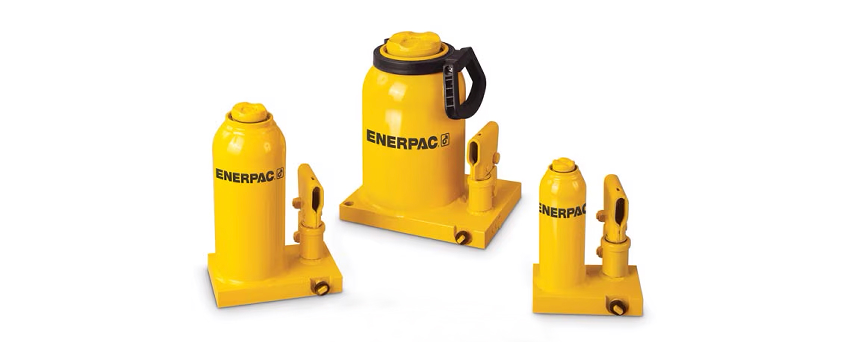
Hydraulic jacks use liquid pressure to lift heavy loads, with various designs to suit different lifting capacities and clearance spaces. With the hydraulic jack’s ability to create high force from a compact body, it is highly suited to support a range of mining loads from a few tons to over thousands of tons depending on the design and intended use.
Hydraulic jacks vary in shape, lifting capacity, and mechanism to cater to different automotive, industrial, and construction applications. For example, a car workshop may use a floor jack, while a mine may need larger configurations for haul trucks, crushers, or mill maintenance.
The common types of hydraulic jacks include:
- Bottle jacks
- Floor jacks and trolley jacks
- Toe jacks
- Low profile jacks
- Pad or pancake jacks
To learn more, have a look at our blog for a
complete guide to hydraulic jacks types, uses and advantages.
How Does a Hydraulic Jack Work?
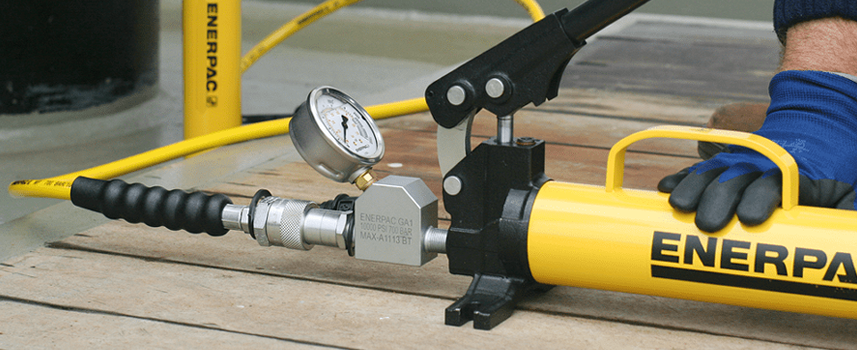
Hydraulic jacks operate based on Pascal's Law, which states that pressure applied to a confined fluid is transmitted throughout the fluid in all directions. Thus, pressure on a small piston can create a much larger force at a bigger piston.
Here is the basic operation:
- The user starts pumping a handle or activates a powered pump.
- Hydraulic fluid moves from the reservoir into the cylinder.
- The piston is pushed upward.
- The load rises in a controlled way.
- To lower the load, a release valve lets fluid return to the reservoir.
Manual jacks are useful where power is limited, but for manual hydraulic jacks, a firm grip on the handle is necessary to prevent slippage during operation. Larger mine workshops may use powered pumps driven by electricity, compressed air, air systems, or engines.
Safety features, such as safety valves in automatic hydraulic jacks, and wider bases help prevent overloading and ensure stable load distribution. These are important considerations when choosing a hydraulic jack.
Applications of Hydraulic Jacks in the Mining Industry
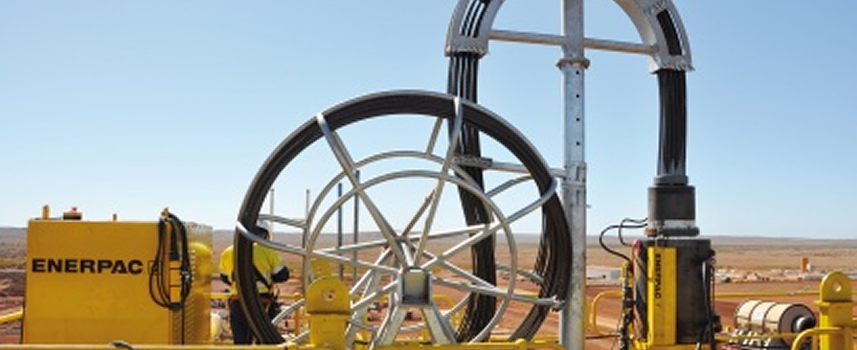
In
mining, hydraulic jacks are frequently chosen when the job needs direct pushing, holding, or short-stroke lifting. Hydraulic jacks are used across open-pit and underground mines for maintenance, installation, and emergency recovery tasks:
- Surface mining: Bottle jacks and heavy-duty floor jacks are used for lifting vehicles such as haul trucks, wheel loaders, and dozers during tyre changes, suspension checks, and undercarriage repair.
- Underground mining spaces: Low-profile toe jacks and pancake jacks help lift heavy objects such as longwall equipment, conveyors, crusher parts, and motors in confined spaces.
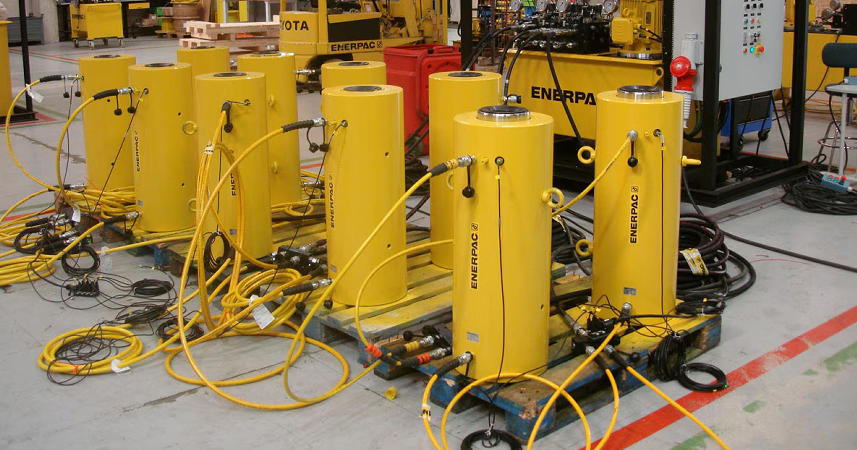
Hydraulic jacks also support material handling during shutdowns. Crews may use high-tonnage hydraulic cylinders, pad jacks, and sliding systems to align transformers, ore chutes, ventilation fans, mill shells, structural steel, and large bearings. This improves accuracy, reduces manual handling, and helps maintenance teams complete critical tasks faster.
Key Criteria When Selecting Hydraulic Jacks for Mining
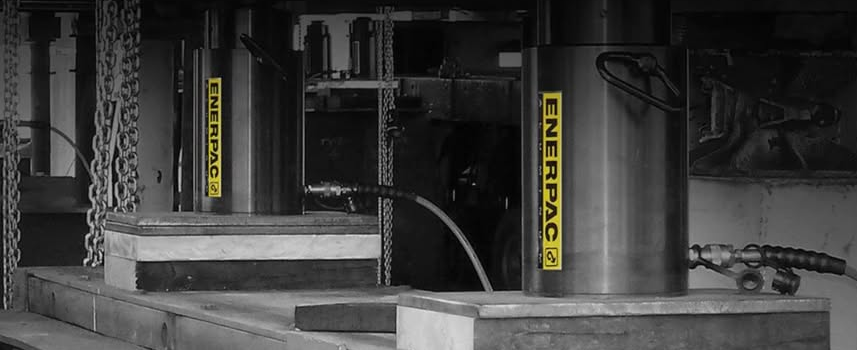
Mines are harsh, high-risk environments, so, choosing the right hydraulic jack is not only about whether it can lift heavy objects, but also whether it matches the load, ground condition, clearance, operation method, and site safety rules.
Key points to review before purchase include:
- Load capacity: Choosing the right hydraulic jack involves considering the weight capacity, which should exceed the heaviest load to prevent equipment failure or accidents. Standard cylinder hydraulic jacks can lift loads ranging from a couple of tonnes up to two or three hundred tonnes, making them versatile tools for various applications.
- Height and stroke: Select a hydraulic jack which height range and extension capabilities are suitable for your desired application. For example, long ram jacks and bottle jacks are ideal for high vertical lifting, while floor and toe lift jacks are suited for low clearance applications.
- Profile and footprint: A low-profile unit is useful in confined spaces, while a wider base helps stability and load distribution.
- Mobility: Wheels and casters make floor units easier to move in tyre bays, while portable jacks suit remote areas.
- Power source: Manual hand pumps suit occasional use, while air, electric, or engine-powered pumps suit frequent heavy lifting.
- Compatibility: Check hoses, couplers, hydraulic pullers, lock-nut cylinders, and other tools already in stock.
- Specifications: Always compare manufacturer ratings, site engineering requirements, and safety procedures before use.
Telescopic cylinder jacks feature nested tubes that extend sequentially, allowing for significant height versatility and making them ideal for tasks requiring high vertical lifting. Before lifting, it is crucial to secure the load before lifting to ensure safety during operation.
Maintenance Tips for Hydraulic Jacks in Mining Environments
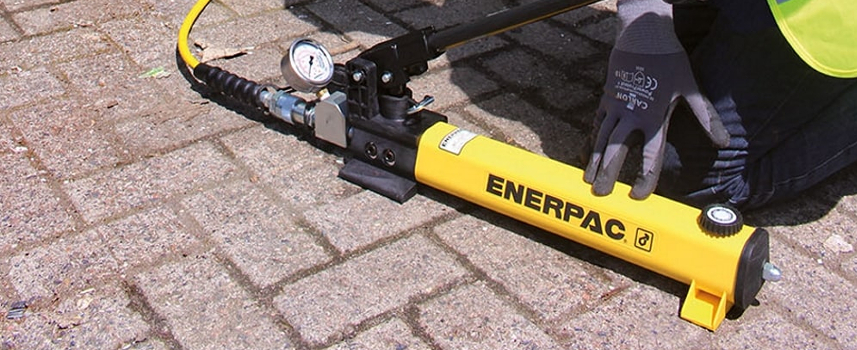
Good maintenance keeps jacks reliable and helps prevent accidents. Regular inspections are useful for early detection of issues like leaks or corrosion, which helps us plan for timely repairs.
Use these practical checks:
- Inspect before use: Look for damaged hoses, leaking fluid, bent pistons, worn saddles, cracked welds, or corrosion.
- Keep them clean: Wipe dirt, slurry, and dust from the piston and body after use.
- Use stable support: Place jacks on solid ground, steel plates, or rated timbers, not soft mud.
- Check fluid care: Use the hydraulic fluid grade recommended by the manufacturer and replace it on schedule.
- Watch operation: If a jack displays slow lifting, it may be due to air in the hydraulic system, which can often be resolved by 'bleeding' the jack.
- Manage storage: Store jacks upright, fully lowered, and dry, away from corrosive chemicals.
- Keep records: Record inspection date, user, condition, faults, and services completed.
Any jack that makes unusual noise, lifts unevenly, creeps down, or feels unsafe should be removed from service until proper inspection. If you require assistance with maintaining your hydraulic jacks and machinery, SLS Bearings can provide you with
comprehensive services and custom maintenance solutions.
Conclusion
Hydraulic jacks and hydraulic cylinders are essential tools for safe, efficient lifting and positioning across modern mining operations. By understanding the functions of each device, selecting the right types, and following disciplined maintenance practices, mines can create a safer and more productive lifting solution.
SLS Bearings offers an exclusive range of
hydraulic products, including hydraulic cylinders and related tools suitable for demanding mining environments.
For professional help choosing or maintaining hydraulic jacks,
contact us at SLS Bearings.

 sg
sg


 Contact Us