In industrial environments, keeping machinery clean is not just a matter of appearance - it is essential for performance, reliability, and overall safety. Over time, equipment accumulates grime, grease, oil, dirt, and carbon deposits that can clog moving parts, cause overheating, and accelerate wear. If left untreated, these contaminants can lead to unplanned downtime, reduced productivity, and costly repairs. This is why regular degreasing remains a critical part of every preventive maintenance plan.
A suitable degreaser helps remove built-up contaminants efficiently without damaging machine components, making it a fundamental tool for technicians, engineers, and maintenance teams across industries. Understanding how degreasers work, where they are used, and how to choose the right one ensures equipment stays in peak condition - improving operational efficiency and extending asset lifespan.
How Industrial Degreaser Works (Solvent-Based vs Water-Based)

Industrial degreasers are formulated to break down stubborn contaminants such as heavy lubricants, oils, wax, tar, and carbon residue. While there are various formulations available, most degreasers fall into two main categories: solvent-based, water-based, and increasingly, plant-based options that emphasise environmental safety and non-toxicity. This article will help you understand how degreasers work as powerful industrial cleaners.
Solvent-Based Degreaser
A solvent-based degreaser is a powerful solution typically used when rapid, powerful cleaning is required. They are highly effective for:
- Removing thick, baked-on grease from the surface of the equipment
- Dissolving adhesive residues that are difficult to remove with water-based cleaners
- Cleaning engine parts or mechanical components exposed to oil and other contaminants
- Breaking down contaminants that water-based cleaners cannot remove
One of the main advantages of solvent-based degreaser is its fast evaporation, which reduces downtime because parts do not need rinsing or prolonged drying. However, one of the key considerations of the solvent-based degreaser is that it may require additional safety measures, such as ensuring good ventilation and avoiding ignition sources.
This product is especially effective for heavy-duty cleaning tasks and is suitable for various industrial environments.
Water-Based Degreaser
Water-based degreasers are formulated with surfactants and are generally safer for users and the environment. They are suitable for
- Routine cleaning
- Removing light to moderate grease or dirt
- Applications where chemical sensitivity or eco-compliance matters
- Surfaces that may be damaged by strong solvents
Compared to solvent-based variants, water-based degreasers are less aggressive but more versatile. They are often preferred for regular maintenance, equipment wipe-downs, and cleaning sensitive materials.
Both types of degreasers play important roles in industrial environments. Selecting the right one depends on contaminant type, cleaning frequency, and equipment compatibility.
Applications Across Industries
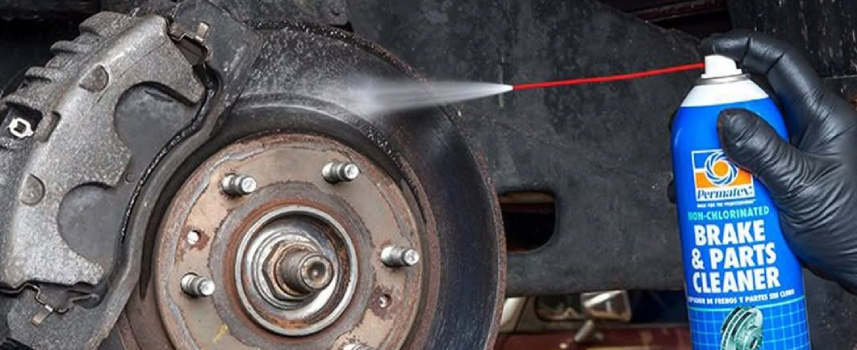
Industrial degreasers are used in almost every sector that relies on mechanical, electrical, or hydraulic systems. Their role goes beyond cleaning - they help maintain performance, improve safety, and reduce operational risk.
Manufacturing
In manufacturing plants, machines run continuously, generating heat and friction. Over time, oils, coolants, and metal shavings combine into stubborn deposits that slow down operations.
Degreasers are commonly used to clean:
- Conveyor systems
- Gearboxes
- Hydraulic power units
- Motors and drives
- Machining tools
A clean system reduces resistance, optimises power use, and improves the accuracy of critical processes.
Automotive and Transport
Workshops and automotive facilities handle equipment exposed to constant oil and dirt. Degreasers are essential for:
- Engine parts
- Brake assemblies
- Transmission components
- Tools and workbenches
A suitable degreaser helps technicians perform inspections more accurately and prevents residue from affecting safety-critical components.
Marine and Offshore
Marine machinery is heavily exposed to oil, salt, and moisture. Degreaser helps maintain:
- Deck equipment
- Engine room components
- Cranes and winches
- Fuel handling systems
Regular degreasing minimises corrosion risk and improves operational reliability in
offshore and marine environments.
Industrial Facilities and Workshops
Compared to solvent-based variants, water-based degreasers are less aggressive but more versatile. They are often preferred for regular maintenance, equipment wipe-downs, and cleaning sensitive materials.
Both types of degreasers play important roles in industrial environments. Selecting the right one depends on contaminant type, cleaning frequency, and equipment compatibility.
Safety and Handling Best Practices
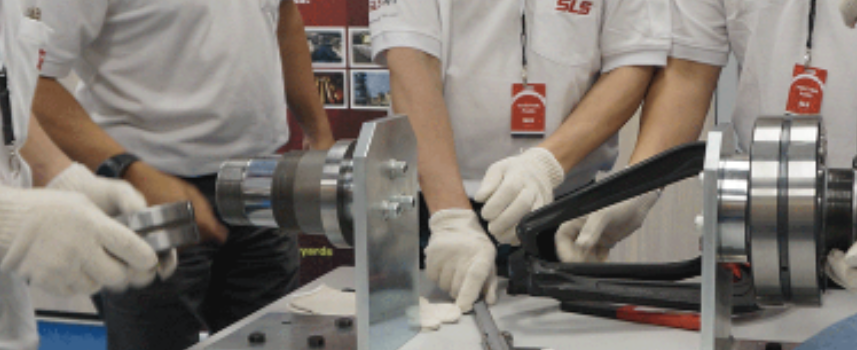
Even though degreaser makes cleaning easier, it is important to follow proper safety practices to ensure safe and effective use. Whether water-based or solvent-based, a few core guidelines apply across all industrial settings.
Personal Protective Equipment (PPE)
Using gloves, goggles, and adequate ventilation protects users from irritation, fumes, or accidental splashes. Technicians should also check each product’s safety data sheet (SDS) for specific requirements.
Storage and Labelling
Degreaser should be stored in clearly labelled containers away from heat sources, direct sunlight, and incompatible chemicals. Proper storage helps prevent leaks, degradation, or accidental mixing of chemicals.
Handling Solvent-Based Products
Some solvent-based degreasers contain flammable or fast-evaporating compounds. Users should:
- Avoid open flames or sparks
- Use the product in well-ventilated areas
- Allow parts to fully dry before powering machinery
Environmental and Disposal Considerations
Used degreaser and contaminated wastewater should be disposed of in accordance with local regulations. Water-based degreasers typically make disposal simpler, but proper waste handling remains essential in all cases.
Choosing the Right Degreaser for Your Equipment
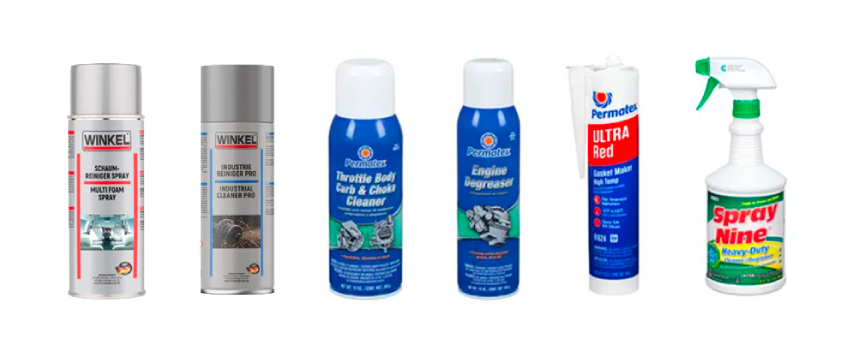
Selecting the right degreaser depends on factors such as contaminant type, material compatibility, and cleaning frequency. Here are key points to consider:
Material Compatibility
Ensure the degreaser is suitable for the equipment material - especially plastics, painted surfaces, or sensitive metals.
Evaporation and Drying Time
Fast-evaporating degreasers reduce waiting time, ideal for high-throughput environments.
Safety and Odour Requirements
If your operation prioritises eco-friendly cleaning solutions, water-based degreasers may be more suitable.
Conclusion
For technicians and maintenance teams seeking industrial-grade cleaning solutions, SLS offers a dedicated range of industrial cleaners and degreasers designed for machinery care and professional use.
Choosing the right degreaser ensures machinery stays efficient, reduces risk of breakdowns, and supports long-term reliability - benefiting both operations and customers who rely on consistent performance.
Contact SLS today to discover the perfect industrial cleaning agent and
degreaser solutions for your needs.
SLSPRO experts offer comprehensive services and provide tailored solutions and
specialised services to meet the unique needs of clients across various industries.
Contact SLS for expert guidance on precision shaft alignment services and discover how we maintain and support your operations.

 sg
sg


 Contact Us