Conveyor systems are the workhorses of modern material handling, moving products through warehouses, factories, and processing facilities around the clock. At the heart of every reliable conveyor system are roller bearings: small but critical components that keep everything moving smoothly. When roller bearings fail, entire operations can grind to a halt, costing time and money.
Understanding how roller bearings work in conveyor systems and how to keep them running helps facilities maximise uptime and avoid costly breakdowns. This article explores why these components matter, the different types available, where they're used, what causes them to fail, and how to choose the right ones for your operation.
Why Roller Bearings Are Critical for Conveyor Reliability and Energy Efficiency
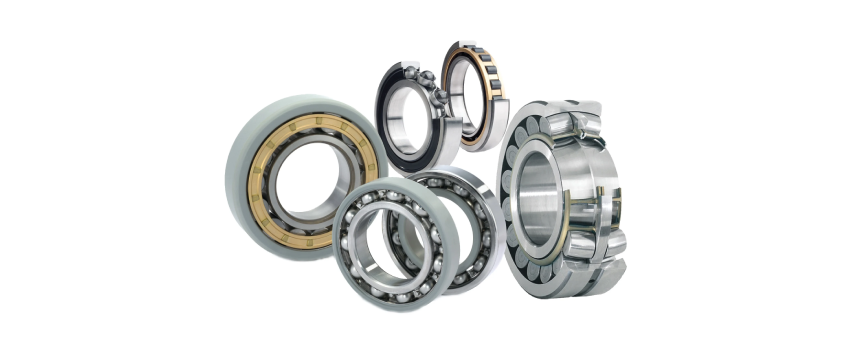
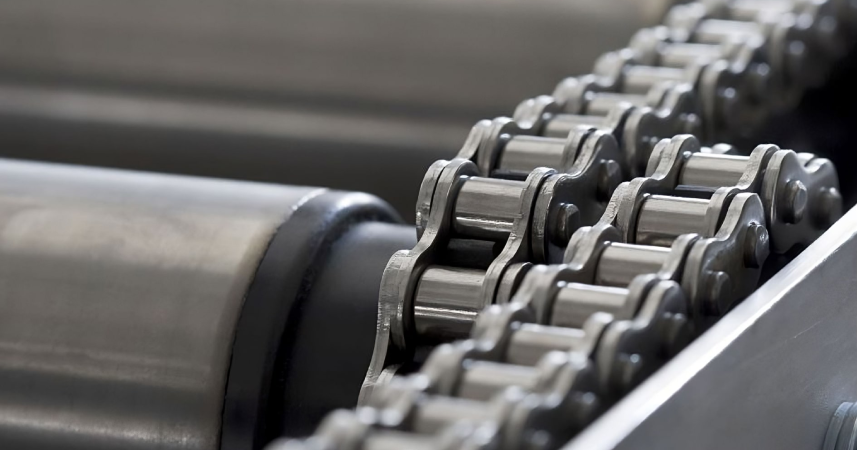
Roller bearings support the conveyor rollers that carry materials through your facility. They allow rollers to spin freely with minimal friction, which is essential for smooth operation. Without properly functioning roller bearings, conveyor rollers would seize up, causing materials to jam and operations to stop.
The reliability of your entire conveyor system depends on roller bearing performance. When bearings work correctly, rollers rotate smoothly under the weight of products. This prevents jerky movement, jamming, and wear that leads to unexpected downtime.
Energy efficiency is another crucial benefit. Bearings with low friction require less power to move materials, reducing energy consumption and operating costs. In large distribution centres with hundreds of metres of conveyors, energy savings from efficient roller bearings can be substantial.
Roller bearings also protect your equipment investment. When bearings fail, the damage often extends beyond just replacing the bearing. Seized rollers can damage belts, bend shafts, and stress motors. Preventing bearing failures protects the entire conveyor system and extends equipment lifespan.
Types of Roller Bearings
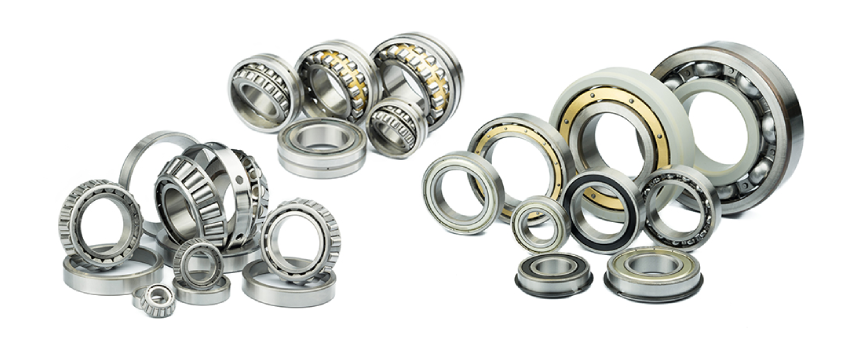
Different conveyor applications require different types of roller bearings. Understanding the options helps you match the bearing to your specific needs.
Cylindrical roller bearings
Cylindrical roller bearings use cylindrical rollers that distribute loads evenly across their length. These bearings excel at handling heavy radial loads—the weight pushing down on the conveyor roller. They're commonly used in conveyor systems carrying heavy materials like automotive parts, building materials, or packaged goods on pallets. Cylindrical roller bearings provide the load capacity needed for demanding applications whilst maintaining smooth rotation.
Spherical roller bearings
Spherical roller bearings feature barrel-shaped rollers and can handle both radial loads and misalignment. In conveyor systems where perfect alignment is difficult to maintain, such as long conveyor runs or systems subject to vibration, spherical roller bearings accommodate slight misalignments without binding. This makes them valuable in mining operations, bulk material handling, and outdoor conveyor installations where environmental factors affect alignment.
Tapered roller bearings
Tapered roller bearings use cone-shaped rollers and can handle combined radial and axial loads (forces pushing both down and along the shaft). These bearings work well in inclined conveyor belts or systems where loads push against the rollers from multiple directions. Food processing facilities and packaging lines often specify tapered roller bearings for their versatility in handling complex loading conditions.
Needle roller bearings
Needle roller bearings are compact bearings with thin, needle-like rollers. They fit into tight spaces whilst still providing good load capacity for their size. Conveyor systems with space constraints, like narrow belt conveyors or compact sorting systems, benefit from needle roller bearings that deliver performance without requiring large mounting areas.
Applications Across Industries
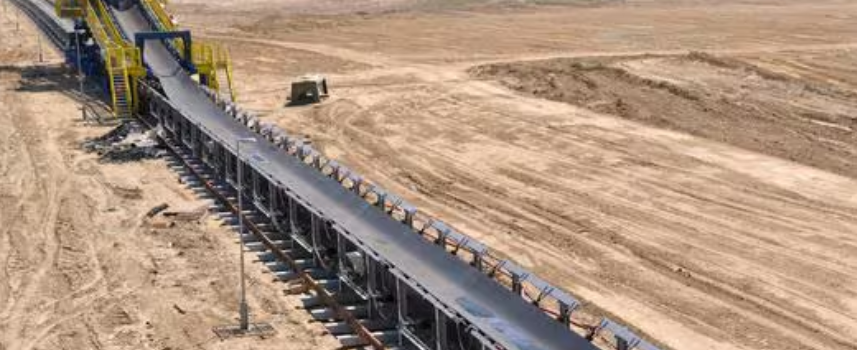
Roller bearings in conveyor systems serve various industries with unique requirements.
Distribution Centres
Distribution centres rely on conveyor systems to move parcels and packages efficiently. Roller bearings must handle varying loads as packages of different sizes and weights travel along the conveyors. High-speed sorting systems require bearings that withstand constant acceleration whilst maintaining accuracy and supporting 24-hour operations during peak seasons.
Manufacturing Plants
Manufacturing plants use conveyors and conveyor belts throughout their operations. Assembly lines depend on precise positioning, requiring roller bearings that maintain consistent performance. Automotive plants,
semiconductor manufacturing plants, electronics manufacturers, and consumer goods producers all specify roller bearings based on their specific requirements and operating speeds.
Mining Industry Operations
Mining industry operations present harsh conditions for conveyor systems. Roller bearings must withstand heavy loads from bulk materials like ore, coal, or aggregates. They also face contamination from dust, temperature extremes, and continuous operation. Mining conveyors often run outdoors, requiring robust roller bearings with enhanced sealing.
This is where bearing quality becomes a decisive factor. Timken's coated tapered roller bearings feature engineered surfaces that provide debris resistance and reduced friction and torque, allowing them to outlast standard bearings in heavy industrial environments like mining. Timken’s complete coating portfolio can be found here.
Food and Beverage Industry
Food & beverage processing facilities have strict hygiene requirements. Stainless steel roller bearings resist corrosion from moisture and cleaning chemicals. Many food processing conveyors use sealed roller bearings that don't require external lubrication, reducing maintenance needs whilst meeting sanitation standards.
Common Failures and Prevention

Understanding how roller bearings fail helps you prevent problems before they cause downtime.
Contamination is the leading cause of roller bearing failure in conveyor systems. Dust, dirt, and particles enter the bearing and damage the rolling surfaces. In material handling environments, airborne contaminants are everywhere. Once inside the bearing, particles act like sandpaper, creating wear that eventually causes the bearing to fail.
Prevention requires proper sealing, so choose roller bearings from reputable manufacturers like Timken that offer effective sealing options and debris-resistant properties that help maintain bearing integrity. This extends your bearings' service life and reduces the frequency of unplanned replacements. In addition, regular cleaning of conveyor belts and accessories also reduces contamination.
Inadequate lubrication causes roller bearings to generate excessive heat and wear rapidly. Bearings need proper lubrication to create a protective film between rolling elements and raceways. Too little lubricant results in metal-to-metal contact, whilst too much lubricant can cause churning and heat buildup. Prevention involves establishing a lubrication schedule based on operating conditions. Many modern conveyor installations use sealed, pre-lubricated roller bearings that eliminate the need for ongoing lubrication maintenance.
Misalignment occurs when the conveyor roller isn't mounted perfectly straight, causing uneven loading on the roller bearings. Even slight misalignment creates stress concentrations that accelerate wear. Long conveyor runs are particularly susceptible as small alignment errors compound over distance. Prevention starts with careful installation, using proper mounting techniques and checking alignment during setup. Periodic alignment checks during maintenance help catch problems before they cause bearing damage.
Overloading happens when conveyor systems carry loads exceeding the roller bearing's rated capacity. Facilities sometimes increase throughput without considering whether bearings can handle the additional weight. Excessive loads cause premature wear and tear and can lead to sudden bearing failure. Prevention requires understanding load ratings and ensuring your roller bearings are properly sized for actual operating conditions, including peak loads and safety factors.
Selecting the Right Roller Bearing for Optimal Performance
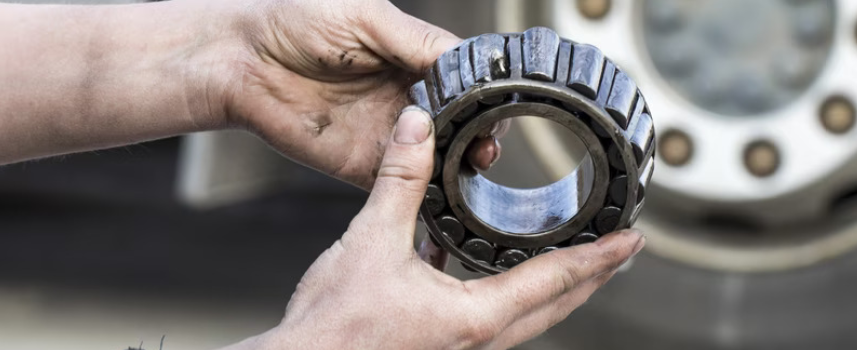
Choosing appropriate roller bearings ensures your conveyor system runs reliably with minimal downtime.
Assess Your Load Requirements by calculating the maximum weight your conveyor will carry. Include the weight of products plus any additional forces from acceleration, impacts, or eccentric loading. Select roller bearings with load ratings that exceed your maximum requirements by a comfortable safety margin. Undersizing bearings leads to premature failure, whilst properly sized bearings deliver years of reliable service.
Consider Operating Speed as it affects bearing selection. High-speed conveyors generate more heat and require bearings designed for faster operation. Standard roller bearings work well for slower material handling applications, whilst high-speed sortation systems need bearings specifically rated for rapid rotation. Match the bearing's speed rating to your actual operating conditions.
Evaluate Environmental Conditions including temperature, moisture, chemicals, and contamination levels. Clean, climate-controlled distribution centres can use standard roller bearings. Harsh environments like mining operations or outdoor conveyors require specialised bearings with enhanced sealing and corrosion protection. Food processing facilities need stainless steel roller bearings that withstand frequent washdowns.
Plan for Maintenance by considering whether you can implement regular lubrication schedules. Facilities with dedicated maintenance staff may prefer traditional roller bearings they can relubricate. Operations with limited maintenance resources benefit from sealed, maintenance-free roller bearings that never need lubrication but must be replaced when worn.
For expert guidance on selecting roller bearings that maximise your conveyor system uptime,
SLS Bearings offers comprehensive solutions backed by decades of material handling experience. We partner with industry-leading manufacturers like Timken to provide high-quality products that deliver reliable performance. Our technical team helps you choose roller bearings that match your specific application requirements, operating conditions, and maintenance capabilities. Visit SLS Bearings to explore our range of roller bearing solutions designed for reliable conveyor performance.
Conclusion
Roller bearings are critical investments in conveyor reliability, and maintaining their performance requires proper selection, installation, and ongoing care. By understanding the different types of roller bearings and their applications—from distribution centres to mining operations—you can optimise equipment performance and minimise costly downtime. With the right roller bearing solutions and expert technical support, your material handling systems can deliver efficient, reliable, and long-lasting performance.
Here at SLS Bearings, we offer a comprehensive range of
roller bearing solutions from trusted manufacturers like Timken, from heavy-duty cylindrical roller bearings to specialised sealed bearings for harsh environments. Get in touch with us today to keep your conveyor systems running smoothly and maximise uptime. Our SLSPRO experts offer expert advice,
specialised services, and premium roller bearing support for material handling and industrial clients.
Contact SLS for expert guidance on selecting the right roller bearings for your conveyor applications.

 sg
sg


 Contact Us