As the semiconductor industry becomes increasingly complex and competitive, manufacturers in Singapore and across the region are turning to cobots - collaborative robots - to boost productivity, precision, and consistency. Companies in various sectors are adopting cobots to enhance automation and maintain competitiveness. Cobots, often designed as compact robotic arms, work safely alongside technicians without the need for large safety cages or highly isolated setups. This ease of deployment makes them a natural fit for semiconductor manufacturing, where accuracy, cleanliness, and process reliability are critical.
While cobots have seen adoption across industries, their role in chip fabrication, assembly, and backend packaging is growing especially quickly. This article explores how cobots differ from traditional industrial robots, why they are suitable for semiconductor environments, how they are used today, and what future developments manufacturers should prepare for. The development of cobot technology is driving innovation in the semiconductor industry, influencing market share as leading companies leverage these advancements to gain a competitive edge.
What Makes Cobots Different from Industrial Robots
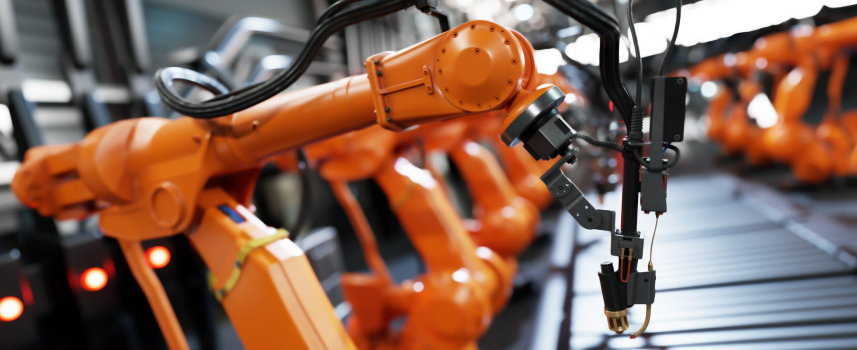
Cobots and industrial robots both automate tasks, but the way they operate is fundamentally different. An industrial robot is designed for speed, power, and heavy-duty operations, and typically requires dedicated safety enclosures. A cobot is a robot that prioritises collaboration, safety, and flexibility, and is a type of automation solution that can work safely alongside humans.
Key differences include:- Enhanced safety features such as force-limited joints and built-in collision detection
- A cobot is a robot specifically designed for safe human collaboration, equipped with advanced sensors and safety technologies
- Simplified programming, often with hand-guiding or drag-and-drop interfaces
- Smaller footprint, ideal for Singapore’s compact production floors
- Lower integration costs, making automation more accessible to mid-sized facilities
- Faster deployment, allowing teams to reassign cobots as production demands shift
The cobot leverages innovative technologies and devices, such as advanced safety sensors and flexible end-effectors, to operate safely and adapt to various tasks in dynamic environments.
For readers unfamiliar with the broader robotics landscape, take a look at our article on
The Rise of Robotics in Modern Manufacturing.
Understanding these differences sets the stage for why cobots are uniquely positioned to support semiconductor manufacturing.
Why Cobots Are Ideal for Semiconductor Manufacturing
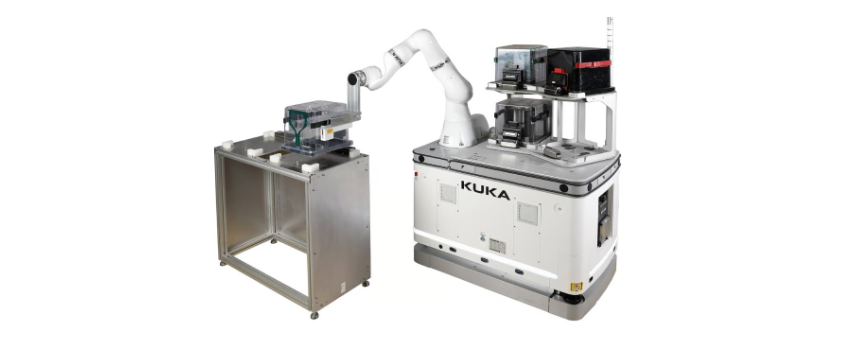
Semiconductor production requires precision at the micron level, consistent handling of sensitive materials, and strict environmental control. The production environment in semiconductor device manufacturing is often characterised by high-mix, low-volume manufacturing, which demands flexible and easily adaptable production processes to meet diverse requirements. The combination of delicate tasks and high-mix processes makes cobots an excellent fit for the sector, as they can be seamlessly integrated into the semiconductor manufacturing process and the production line.
Precision and Repeatability
Precision is the key performance parameter that is the foundation for high-quality micro-assembly tasks. Cobots can perform repetitive micro-assembly tasks with the accuracy needed to avoid defects in wafers, dies, and packaged components. Cobots ensure the same level of accuracy and repeatability in each operation, greatly reducing the risk of human error. This helps manufacturers reduce scrap rates and maintain consistent product quality.
Cobots can be used for tasks requiring high repeatability, such as micro-assembly in electronics manufacturing.
Cleanroom Compatibility
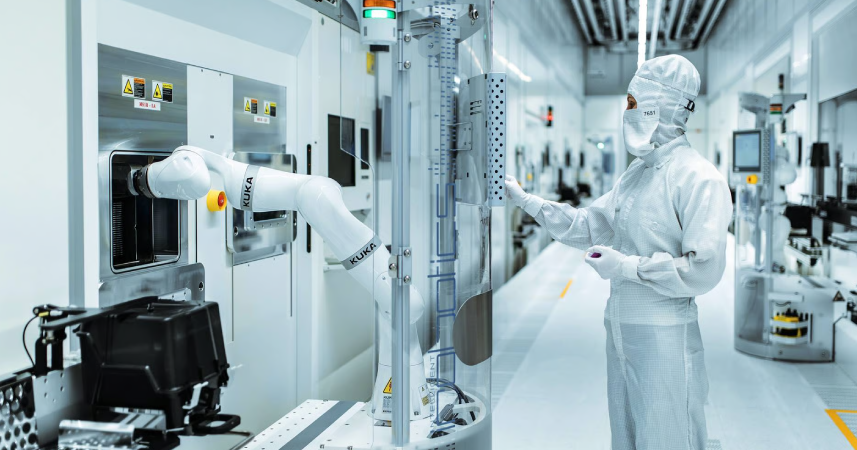
Many cobot models are designed for use in the cleanroom environment, with sealed joints and low particle emissions, effectively reducing contamination risks caused by humans in the sensitive manufacturing process. Their compact size is ideal for confined Class 10–100 spaces, where every square metre counts. In the cleanroom, cobots can operate alongside advanced processes such as the use of ultraviolet light for surface modification and photolithography, ensuring compatibility with these critical manufacturing steps.
Flexibility in High-Mix, Low-Volume Production
As semiconductor lines switch between a variety of chip models or package types, cobots can be quickly reprogrammed to handle new workflows. Cobots equipped with a flexible end-effector can easily adapt to changing tasks and support rapid transitions. In a high-mix, low-volume production scenario, this agility is valuable for fabs and backend facilities facing frequent design cycles.
Improved Worker Safety and Ergonomics
In the past, such tasks used to be performed manually by workers, often leading to fatigue and increased risk of injury.
Tasks involving fine manipulation, repetitive movements, or awkward postures can be automated. Cobots can be used to handle these repetitive or ergonomically challenging tasks, reducing the physical burden on employees. Cobots help reduce operator fatigue, strain injuries, and handling-related errors.
Additionally, cobots can be used to improve worker safety by minimizing direct human involvement in hazardous or strenuous operations.
Cost-Efficiency
Compared to industrial
robots, cobots offer faster ROI - especially for manufacturers who need automation without extensive facility upgrades. Significant cost savings can be realised from the reduction in manual labor and increased productivity from the adoption of cobots. ROI can also be evaluated on a per-project or per-line basis, allowing manufacturers to better assess the financial impact of cobot implementation.
How Cobots Are Used in Semiconductor Manufacturing
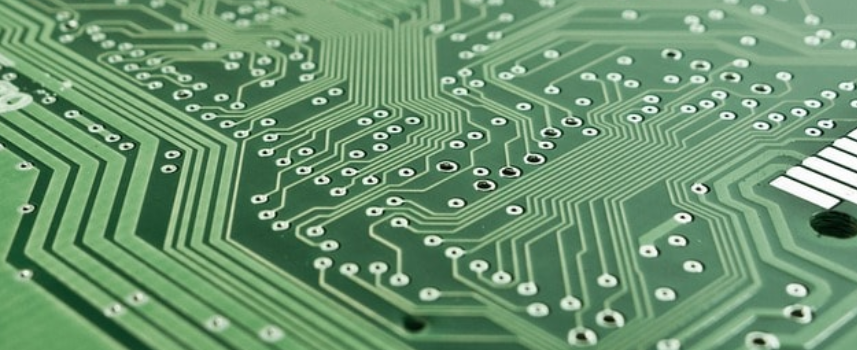
The semiconductor workflow spans multiple stages, and cobots can integrate into each depending on operational needs. Some of the most common applications include:
Wafer Handling and Loading
Cobots can load and unload silicon wafers from process equipment such as deposition tools, etchers, inspection systems, or metrology stations. Handling silicon wafers is a critical step in wafer processing, as these wafers are the foundational platform for integrated circuit manufacturing. The production of silicon wafers begins with the growth of a high-purity silicon crystal, which is sliced into thin wafers for further processing. Cobots assist in various wafer processing steps, including precise operations such as ion implantation on a silicon wafer, ensuring accuracy and repeatability. Their gentle, controlled movements reduce the risk of breakage.
High-Precision Micro-Assembly
Cobots equipped with end effectors support tasks like die bonding, wire bonding assistance, and other sub-micron assembly processes that require consistency and careful alignment.
With a high-precision end effector, cobots can perform micro-assembly tasks such as placing tiny components with exceptional accuracy. Cobots can be used to assemble or manipulate devices in semiconductor manufacturing, improving efficiency and ensuring high-quality results.
Material Transfer and Sorting
From transporting carriers to organising packages at backend lines, cobots help maintain smooth internal logistics, especially when paired with automated material handling systems. Cobots can be used for material transfer and sorting in a wide range of industries, handling a variety of materials and package types efficiently. For example, in a high-speed sorting facility, cobots can be used to identify, pick, and place items into designated bins, adapting to different shapes and sizes with ease.
Inspection and Quality Control
With integrated vision systems, cobots assist with surface checks, dimensional inspection, and defect detection. They can hold components at precise orientations for optical inspection tools.
Packaging and Final Processing
In backend operations, cobots are integrated into the production line to handle tasks such as adhesive application, labelling, final packaging, and tray loading. During final processing, various devices such as inspection equipment and sorting machines are used to ensure product quality. Cobots can be used to perform packaging tasks on a specific platform or tray, improving efficiency and consistency in the workflow.
Future Developments and Trends
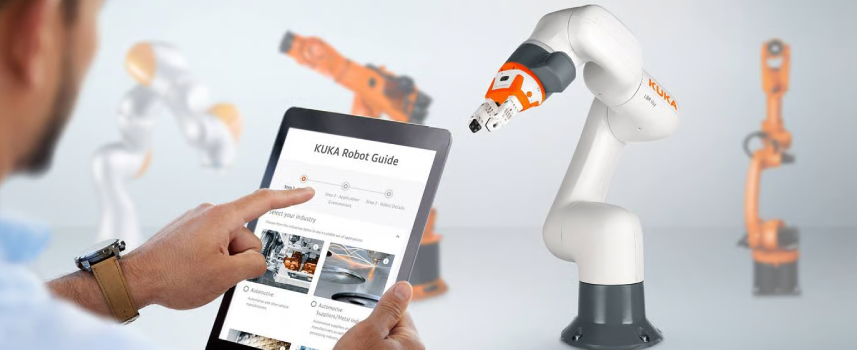
As automation continues to evolve, cobots will play an even bigger role in next-generation semiconductor facilities. Key trends to watch include:
AI-Enhanced Vision and Positioning
Advanced vision systems will improve cobot accuracy to the sub-micron level, enabling them to handle more complex micro-assembly tasks with minimal human supervision.
Mobile Cobots (AMR + Cobot Arms)
Autonomous
mobile robots combined with collaborative arms will support true end-to-end intralogistics - from material movement to handling at workstations. In the production environment, mobile cobots can be used to transport devices efficiently between different workstations, ensuring seamless integration and flexibility in the workflow.
Smaller, Cleaner, and Faster Cobot Designs
As chip geometries shrink and cleanroom demands intensify, cobots will evolve to meet higher cleanliness and contamination control standards.
In the semiconductor processes such as plasma etching, cobots are designed to operate reliably in the cleanroom, supporting advanced manufacturing steps that require high precision and minimal contamination.
Lifecycle and Predictive Maintenance Management
Cobots will integrate more tightly with Industry 4.0 platforms, enabling predictive maintenance alerts, component health monitoring, and cleaner lifecycle management workflows. Cobots can be used to monitor devices on a production line for predictive maintenance, ensuring timely detection of potential issues and reducing downtime.
Increased Adoption Across Singapore
With the government’s push for high-value manufacturing and advanced automation, cobots will be a key enabler for both multinational fabs and local semiconductor SMEs.
In Singapore, companies across various industries are increasingly adopting cobots to enhance their production environment, especially in high-mix, low-volume manufacturing settings that demand flexibility and safety.
Conclusion
Cobots are becoming a strategic asset for semiconductor manufacturers seeking precision, reliability, and flexibility. Their ability to operate safely alongside workers, adapt to changing production needs, and maintain high-quality performance makes them especially suitable for Singapore’s fast-evolving semiconductor sector. As cobot technology continues to advance - driven by AI, enhanced vision systems, and cleanroom-ready designs - manufacturers who invest early will be better positioned to improve productivity, reduce downtime, and strengthen long-term competitiveness.
SLSPRO experts deliver
specialised services in robotic automation for semiconductor manufacturing.
Contact SLS for solutions that enhance precision, maintain sterility, boost production speed, and ensure GMP compliance.

 sg
sg


 Contact Us