In the drive toward smarter manufacturing, collaborative robots or cobots have become a key enabler of efficiency and precision. Robots are used in a wide range of industries, and applications for cobots are diverse; for example, tasks such as material handling, machine tending, and quality inspection are common. A collaborative robot can be deployed in a variety of production processes and production environments, adapting to the needs of different companies. They can be easily reprogrammed and redeployed, making them highly versatile for a wide range of applications.
Most companies measure their cobot success through ROI, productivity gains, and safety outcomes. But over time, what truly determines the value of automation is how well each system is maintained, updated, and managed throughout its lifecycle. Without a proactive lifecycle management strategy, even the most advanced cobots risk underperformance, unplanned downtime, or premature obsolescence.
Here’s what every facility manager, automation engineer, and operations leader should consider when building a long-term lifecycle management plan for their cobot systems.
Beyond ROI and Safety: The Overlooked Factor in Collaborative Robots Success

When a cobot is first deployed, companies typically focus on immediate benefits: faster cycle times, consistent output, and improved workplace safety. However, these short-term results can mask deeper, long-term challenges.
Cobots, like any precision machine, experience mechanical wear, software drift, and component fatigue over time. Neglecting these factors can lead to misalignment or decreased accuracy, which can be prevented with regular checks and updates. A structured lifecycle approach, including preventive maintenance, periodic updates, and planned component replacement, ensures reliability of the cobot system throughout its operational lifespan.
Regular Predictive and Preventive Maintenance of Collaborative Robots
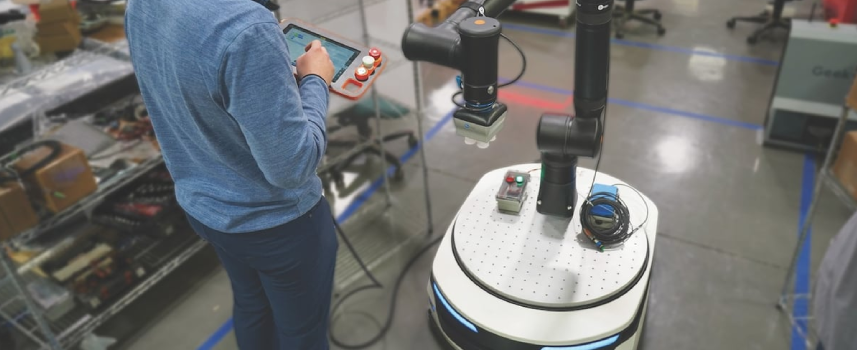
Routine inspection and maintenance are essential for maximising uptime. Just like mechanical systems that rely on bearings,
linear motion components, or pneumatic systems, cobots require regular care to operate at peak precision.
A robust maintenance routine should include:- Visual inspections for signs of wear, damage, or debris buildup on joints and grippers.
- Cleaning and lubrication of moving parts, following manufacturer specifications.
- Sensor calibration and joint torque verification to ensure consistent accuracy.
- Electrical system checks to detect loose wiring or insulation wear.
- Air pressure and fitting inspections for cobots integrated with pneumatic tools.
- Inspection and maintenance of arm tooling and robot arm components to ensure all end effectors and the robot arm itself are functioning safely and efficiently.
Predictive maintenance, supported by real-time monitoring and analytics, can be used to identify early signs of vibration, temperature rise, or electrical anomalies before they lead to failure. AI can be applied to analyze maintenance data, allowing issues to be detected early and predicting failures, which helps companies optimise maintenance schedules and reduce unexpected downtime. By partnering with specialists like SLS for
predictive maintenance solutions, companies can build data-driven maintenance plans that extend cobot longevity while minimising downtime.
Keep Software and Firmware Up to Date
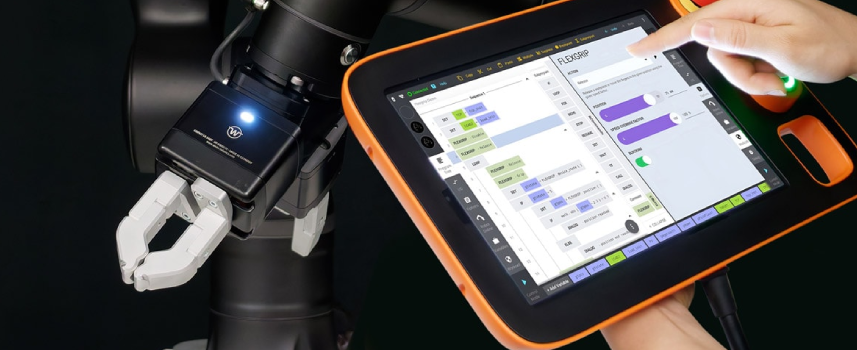
Cobots are not just mechanical systems - they’re also software-driven platforms that rely on precise motion control, safety algorithms, and network integration. Regular software and firmware updates are therefore critical to sustaining peak performance and cybersecurity compliance.
Manufacturers frequently release updates that:- Improve motion precision or path optimisation.
- Enhance safety features and compliance with new industrial standards.
- Add compatibility with new accessories or tooling systems.
- Patch vulnerabilities to prevent cyber threats.
- Failing to maintain software currency can lead to performance inconsistencies, system crashes, or integration conflicts, especially in environments where cobots must communicate with other automation systems.
Companies that rely on automation should establish a formal update policy, such as reviewing firmware and controller versions at scheduled intervals, maintaining version logs, and validating compatibility after every update.
Plan Ahead for System and Component Obsolescence in Collaborative Robots
No matter how well a cobot is maintained, its hardware and software components will eventually reach the end of their life. Controllers, sensors, and even communication modules may be phased out by manufacturers or superseded by newer models.
A proactive obsolescence management plan helps companies anticipate these changes before they disrupt operations.
This includes: - Maintaining an up-to-date inventory of all installed components and their versions.
- Tracking manufacturer end-of-life announcements.
- Sourcing and stocking critical spares in advance.
- Identifying compatible replacement parts early, especially for high-wear components like bearings, actuators, or motor drives.
Partnering with suppliers like SLS ensures continued access to compatible and high-quality
mechanical components, reducing risk during system transitions or upgrades. In industries like semiconductors or food & beverage, where precision and hygiene standards are high, having a planned upgrade path can prevent costly production halts.
Build a Complete Lifecycle Management Strategy

Effective cobot lifecycle management is not a one-time exercise - it’s a continuous process that evolves alongside your automation strategy. The most successful companies approach it as a
structured lifecycle framework:
- Planning & Cost Analysis: Assess the total cost of ownership, including maintenance, spare parts, and software licensing.
- Implementation & Testing: Validate mechanical, electrical, and software systems during commissioning to ensure long-term compatibility.
- Operation & Maintenance: Establish preventive schedules, document performance metrics, and maintain digital maintenance logs.
- End-of-Life Planning: Determine reuse, refurbishment, or replacement strategies to optimise investment recovery.
Here at SLS, we provide end-to-end support through our range of services - combining product expertise, engineering guidance, and lifecycle maintenance for automation systems and mechanical assets. By integrating lifecycle planning into daily operations, companies can achieve better efficiency, safer workplaces, and more predictable costs.
Conclusion
Cobots have proven to be a powerful asset in the age of smart manufacturing - but their long-term reliability depends on disciplined lifecycle management. From preventive maintenance to software updates and obsolescence planning, each stage plays a critical role in keeping automation systems running efficiently and safely.
By partnering with trusted suppliers like
SLS Bearings, industries such as semiconductors, manufacturing, and food & beverage can ensure their cobots remain in peak condition - optimised not just for today’s productivity, but for tomorrow’s performance.
SLSPRO experts offer comprehensive services and provide tailored solutions and
specialised services to meet the unique needs of clients across various industries.
Contact SLS for expert guidance on precision shaft alignment services and discover how we maintain and support your operations.

 sg
sg



 Contact Us